


A complete computer aided dispatch (CAD) solution
Deliver more efficient life-saving responses with a CAD dispatch system that captures and correlates caller data, responder data and critical communications in one unified location.
CAD software: Optimizing data flow for faster, safer response
Because seconds count during an incident, you need a computer aided dispatch system that instantly delivers critical data to the command center, streamlines incident management with intuitive workflows and rapidly correlates 9-1-1 calls, texts and multimedia to support situational awareness that protects both field responders and the public.
Coordinate a quicker response
Enable telecommunicators with CAD dispatch tools to process critical data and notify first responders within seconds.
Maximize collaboration
Optimize interoperability between agencies, systems and databases to keep everyone connected in real time.
Keep officers and citizens safe
Maintain situational awareness as incidents escalate with real-time response location, status information and alerts.
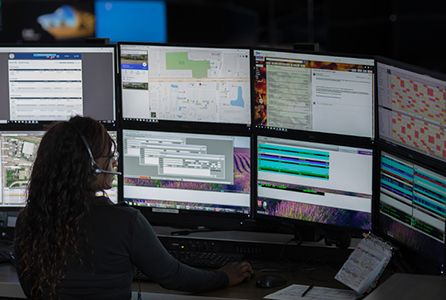
Computer aided dispatch solutions
Our robust CAD system options empower dispatchers to quickly process calls, identify units via GPS and send vital data to police, fire or EMS teams.
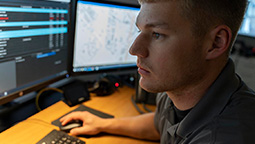
PremierOne® dispatch software
Streamline full lifecycle data flow to deliver large-scale incident response coordination with speed and maximum configuration.
View solution
Flex™ dispatch software
Connect responders with complete, life-saving information in an integrated CAD solution, built for a single or multiple jurisdictions.
View solution
CommandCentral CAD
Respond faster and make better decisions with actionable intelligence using a modern cloud CAD system for public safety dispatch.
View solution
Rave Link
Share information easily when an incident response requires multiple jurisdictions and disparate teams.
View solution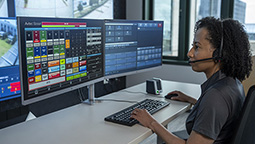
Avtec Scout
Keep widespread teams and outside agencies connected with a dispatch console that's easy to integrate with a variety of communication tools.
View solution
CommandCentral AXS
Streamline workflows and reduce errors with an intuitive dispatch console with a modern, purpose-built graphical user interface (GUI).
View solution
Computer aided dispatch software for every mission
Our CAD solutions serve as the mission-critical lifeline for your public safety agencies. We empower 9-1-1 dispatchers to instantly process calls, identify the closest units via GPS and relay vital data to police, fire or EMS teams.
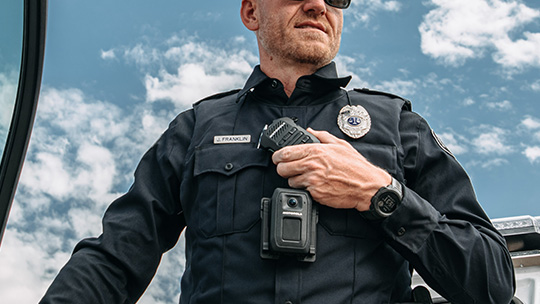
CAD for law enforcement PSAPs
Our powerful police dispatch system lets you instantly pinpoint callers with integrated GIS tools and route the nearest available unit within the service area. Streamline operations by surfacing historical hot hit records and providing digital maps to field personnel, delivering a unified operational view from call to case closure.
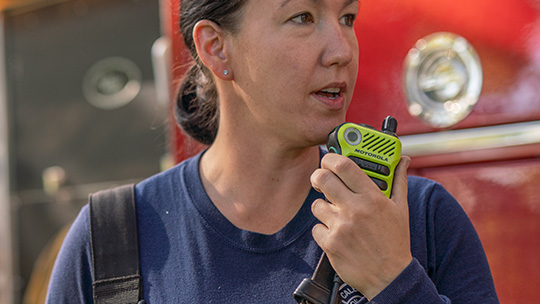
CAD for fire and EMS PSAPs
Empower public safety PSAPs with 9-1-1 CAD software built to locate and dispatch the most appropriate units through highly configurable databases. Instantly receive 9-1-1 call details and manage complex incident data in real time, even during large-scale events or natural disasters.
CAD software: Stories of real-world impact
Nashville ECC: Seamless dispatch
Discover how Nashville ECC uses CAD to unify workflows and integration across agencies.

Peel Police: Resource management
See how Peel Police uses PremierOne CAD to automate searches and respond to citizens faster.
Computer aided dispatch FAQs
Computer aided dispatch software is a digital interface that manages the succession of an emergency call, from the initial 9-1-1 call to the final resolution on the scene. Also referred to as CAD dispatch software or computer aided dispatching, these platforms help dispatchers and first responders coordinate life-saving efforts in real time.
Computer aided dispatch identifies a caller’s location and incident details the moment a 9-1-1 call comes in, prioritizes the call based on severity and dispatches the nearest available field units in seconds. Modern CAD systems like Motorola Solutions' PremierOne, CommandCentral CAD and Flex CAD go further, integrating GIS mapping, real-time resource tracking and NG9-1-1 capabilities to give dispatchers and responders a unified operational picture from call to closure.
The cost of a computer aided dispatch system varies depending on your agency's size, operational requirements, number of users and whether you need a cloud-based or on-premise deployment. Factors like NG9-1-1 integration, GIS capabilities and ongoing support services will also influence pricing.
The benefits of computer aided dispatch include faster response times, reduced dispatcher error, enhanced responder safety and improved interagency coordination. By automating call prioritization, location identification and unit dispatch, CAD software frees telecommunicators to focus on critical decision-making rather than manual data entry. Real-time mapping, resource tracking and integrated analytics further help agencies identify patterns and continuously improve response performance.
Key features to look for in computer aided dispatch systems include:
- Real-time reporting and analytics: Visibility into incident trends, response times and resource utilization to drive continuous improvement.
- Unified command experience: A single interface consolidating 9-1-1 call data, dispatch controls and responder locations.
- Intelligent mapping and routing: Integrated GIS to identify the nearest available units and optimize response routes.
- Dynamic resource management: Real-time tracking of unit availability, status and location across jurisdictions.
- Next-generation 9-1-1 integration: Support for calls, texts and multimedia from NG9-1-1 systems
- Seamless record integration: Automatic data transfer from CAD to records management systems to reduce duplicate entry.
A CAD system for police, also known as police CAD software or a law enforcement CAD system, is the primary platform used by 9-1-1 operators and dispatchers to manage emergency calls and coordinate police officer deployments. A police dispatch system enables dispatchers to instantly identify caller locations, access historical records, prioritize incidents by severity and dispatch the nearest available unit, keeping officers and citizens safer.
When evaluating a new CAD solution, look for a platform that makes dispatch more efficient and responders safer, with incident-based talk groups, a unified real-time view of 9-1-1 data and accurate locations of callers and first responders. Key questions to ask your vendor include:
- Will this CAD system meet the technology needs of my agency?
- Can this CAD interface with external navigation systems and adapt response routes based on current traffic conditions?
- Does this system support two-way communications between dispatch and first responders?
- Are you up-to-date on NG9-1-1 standards and what is the upgrade path and cost as the technology evolves?
As you evaluate your CAD solution, you should be aware of the system-enhancing technologies that help your CAD software operate to its highest potential.
Cloud CAD enables your CAD system to capture real-time distribution of mission-critical information to help ensure the most efficient and safest response by combining the mission-critical security and deployment capabilities of the cloud with your robust CAD system. In this way, Cloud CAD helps move agencies toward more accelerated responses, improved incident outcomes and a simplified workflow.
Dispatchers are specialists in handling emergency calls, assessing resources and communicating with responders in the field. They use specialized call-taking and police dispatch software to keep their communities and responders safe.
- Command line: Most dispatchers will memorize single or double key commands to save time and enter them in the command line to create, dispatch and release an incident as quickly as possible.
- Work area: Dispatch software is intended to provide context and speed decision-making capabilities during critical moments. Dispatchers will rely on software to automatically present call location information and display specific questions to better assess the incident, in the correct order, while simultaneously coordinating and communicating with responders.
- Status monitor: Many dispatchers rely on a status monitor window to keep track of the status and location of responders in the field.
- Maps: Maps help dispatchers view resources including available police, EMS and Fire units during an emergency. Maps may also help dispatchers view traffic, construction, weather and even access camera feeds in order to help improve situational awareness.
The role of a dispatcher demands precision, speed and composure under pressure. But the right software can help coordinate a quicker response, maximize collaboration and keep officers and citizens safe.
Key integrations to consider when evaluating a computer aided dispatch system include:
- Radio and personnel location: Integration with portable and mobile radios enables real-time officer location within the CAD mapping application, supporting smarter resource allocation and safer outcomes.
- Console integration: Connecting CAD to your agency's dispatch consoles simplifies telecommunicator workflows by eliminating the need to switch between applications when creating, dispatching and releasing incidents.
- GIS and mapping: Robust GIS integration provides a centralized spatial database that accurately depicts caller locations, incident details and available resources, enabling faster backup response and more precise dispatching.
Have questions? We can help
Contact our team of safety and security experts to get started.