


Enhance hospital safety and security
Help protect your healthcare staff and patients with a body camera platform that enhances training, de-escalates aggressive interactions and mitigates litigation risks.
Benefits of body cameras for hospitals
Body cameras serve as a proactive tool for helping protect healthcare professionals. These devices aid doctors, surgeons and nurses to feel more secure while performing their duties and add an extra layer of protection by deterring aggressive behavior and capturing real-time footage during interactions.

Deter aggressive behavior
Body cameras are a visible deterrent to aggressive patients and visitors, helping healthcare staff to de-escalate threatening situations.

Improve staff safety
With body cameras, staff feel safer and more valued in the workplace, knowing that they can capture first-hand video and audio recordings.

Support training practices
Utilize nurse body cameras to support staff learning and training, enabling them to identify aggression triggers and refine conflict management.
Explore our body cameras for healthcare
When life and death are on the line, pressure from patients and family members can be stressful. Leverage our body cameras for hospitals to enhance safety, capture indisputable evidence and support training.
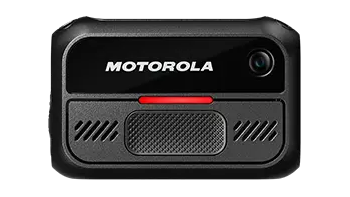
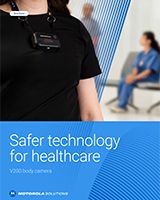
V200 body camera
Connect instantly with a supervisor via livestreaming and GoLive Audio. A smart body camera capturing every angle with an intuitive status display.
View product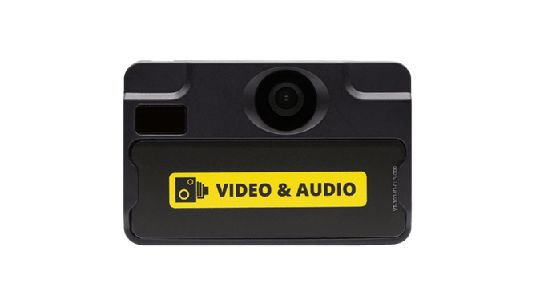
VT100 body camera
A lightweight nurse body camera with a range of mounting options suitable for virtually any style of healthcare uniform and clothing.
View product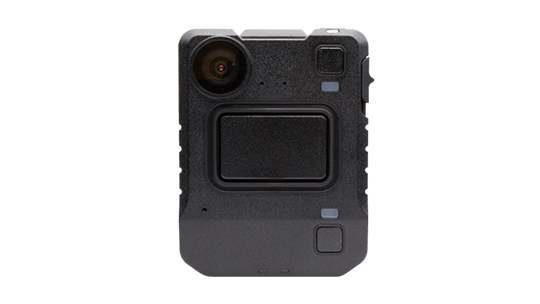
VB400 body camera
Support staff when dealing with aggression or confrontations every day by providing an unbiased, independent witness.
View product
Explore body camera accessories
Discover key accessories that help with the successful deployment of body cameras for hospitals, minimize inventory loss and create a safer, more efficient healthcare environment.
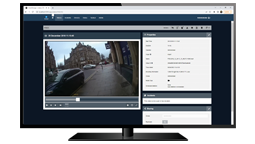
VideoManager EX
VideoManager EX makes it simple to set up and use your doctor and nurse body cameras with minimal training and maintenance.
View product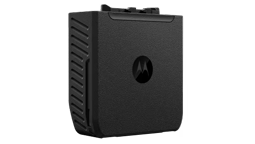
Batteries
Keep your body cameras charged on the go with a swappable battery. Easily change the battery with the spare battery during an unexpectedly long shift.
View product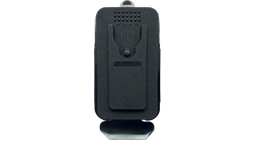
Camera mounts
Keep your body camera secure while collecting evidence with our camera mounts. No matter what your role is, we have a camera mount to attach to any uniform.
View product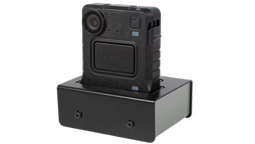
Docks
Keep your body camera charged with our reliable charging stations. You can also use it to upload evidence to VideoManager.
View product


Healthcare body camera FAQs
To buy Motorola Solutions’ body cameras for healthcare, please complete the contact form using the link and our team of experts will get in touch with you regarding the process and pricing.
Yes, paramedics and EMTs wear body cameras. The goal behind their use is to reduce violence, protect them from abuse and record first-hand video of events.
Yes, doctors and nurses can wear body cameras. This is particularly common in emergency departments and ambulance services where abuse from patients and visitors is more prevalent.
Body cameras for hospitals can support training purposes by capturing footage that aids in improving conflict resolution capabilities, as well as enhancing clinical skills.
Yes, body cameras can be used for evidentiary purposes in hospitals. The recorded footage serves as a record of events that can be shared with other organizations, such as law enforcement, for investigations.
Healthcare organizations can maintain HIPAA compliance with the use of body cameras by treating footage as electronic protected health information (ePHI), robust security controls, data encryption and strict usage policies.