
Communication can save lives
In a world where communication technology is always evolving, one thing remains constant: there is no substitute for voice.
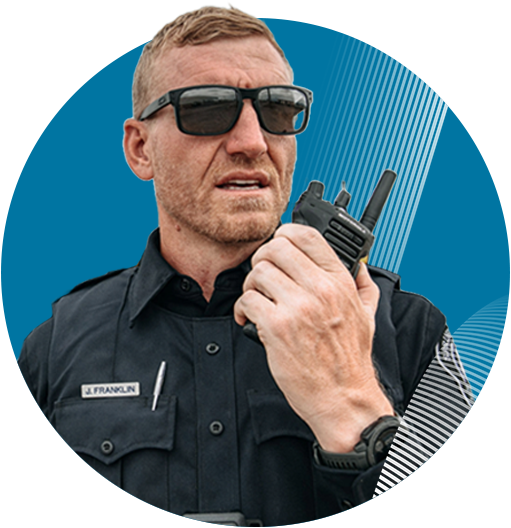
Explore our radios
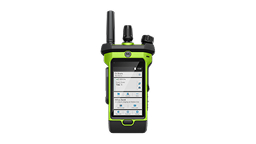
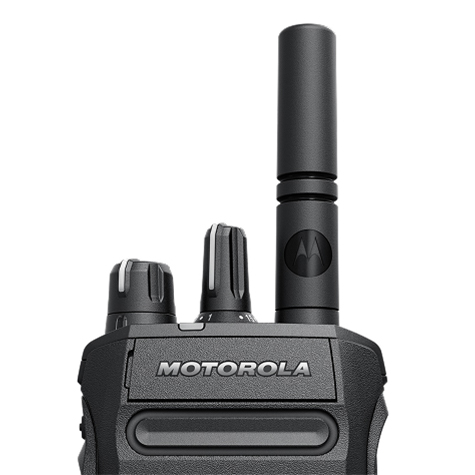
APX P25™ two-way radios
Purpose-built for first responders and other professionals. Combines sophisticated technology with incredible toughness and precise ergonomic controls.
Explore radios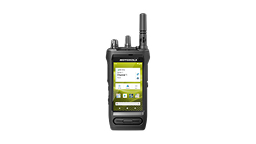
MOTOTRBO™ digital mobile radios (DMR)
Designed for professional and commercial communications. Includes rugged portables, sophisticated mobiles and robust, versatile infrastructure.
Explore radios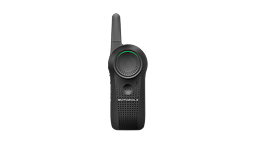
Business & Commercial two-way radio systems
Ensure staff is connected at all times with easy-to-use, light weight two-way radios. Designed to enable quick, discreet and efficient communication for businesses of all sizes.
Explore radiosBuild your radio solution

MOTOTRBO professional digital radio builder
Find your MOTOTRBO professional radio solution for education, manufacturing hospitality, and more.

APX P25 portable radio for public safety builder
Find your APX public safety portable radio solution for police, fire, government services and more.
Are you looking for help? Do you need more information? We are here for you
If you have an account you can create a support case using Customer Hub
FAQ
A two-way radio is a wireless communication device that allows users to both transmit and receive voice messages over radio frequencies. Unlike a standard radio that only receives broadcasts, two-way radios enable real-time communication between individuals or groups at the push of a button. They are commonly used in public safety, security, manufacturing, construction, education, hospitality and event management.
Two-way radios work by converting a user’s voice into a radio signal and transmitting it over a designated frequency. When the user presses the push-to-talk (PTT) button, the radio sends the signal to other radios tuned to the same channel or network. Receiving radios convert the signal back into audio, allowing users to communicate instantly.
Two-way radios typically operate on 7/800, 8/900, Very High Frequency (VHF) or Ultra High Frequency (UHF) bands. VHF radios generally perform well in open outdoor environments, while UHF radios are often preferred for indoor use and areas with buildings or obstacles. Some modern digital radios can also operate on licensed, unlicensed or broadband networks, depending on the application and regulatory requirements.
Get pricing
Police officers typically use two-way radios that operate on secure public safety radio networks. These systems often support advanced features such as encryption, emergency alerts, GPS tracking and interoperability between agencies. Many police departments use radios that comply with standards such as Project 25 (P25), which enables reliable and secure communications during routine operations and emergency response.
View radios
Yes, two-way radios from different manufacturers can often communicate with each other if they are programmed to use the same frequency, channel settings and compatible communication protocols. Radios that support common industry standards, such as analog FM or digital standards like P25, are more likely to interoperate. However, specific features and settings may limit full functionality between different brands.
Get pricing
The range of a two-way radio depends on factors such as radio power, frequency, terrain, building materials, weather conditions and the presence of repeaters. In open outdoor environments, two-way radios may communicate over several miles. In urban areas or inside buildings, the effective range is often shorter due to obstacles and interference. Systems that use repeaters, radio networks or LEO satellite connectivity via SmartConnect, SmartMessaging and SmartLocate can significantly extend communication coverage across large facilities, campuses or geographic regions.
Get pricing