
Thoughtfully integrated AI for public safety for faster, more accurate responses.
AI in public safety is here to Assist.
AI in public safety is here to Assist.
Public safety is at a tipping point: more data than ever, fewer people to act on it. AI can make a difference for your mission critical operations. Built to fit your procedures, Assist connects intelligence from the control room to the field and back.

Introducing AI Agents
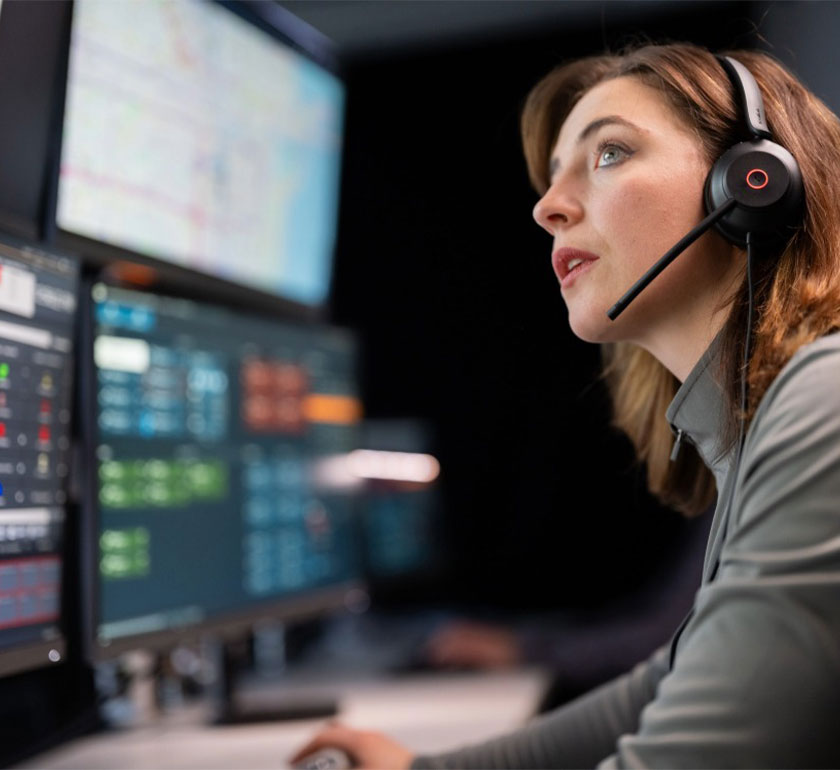
With emergency calls, every second saved makes a difference. Assist AI now offers Agents that perform routine tasks under your direction.
Non-Emergency Call Agent
Handle designated non-emergency calls via call, text, email or chatbot, so your operators can focus on emergencies.
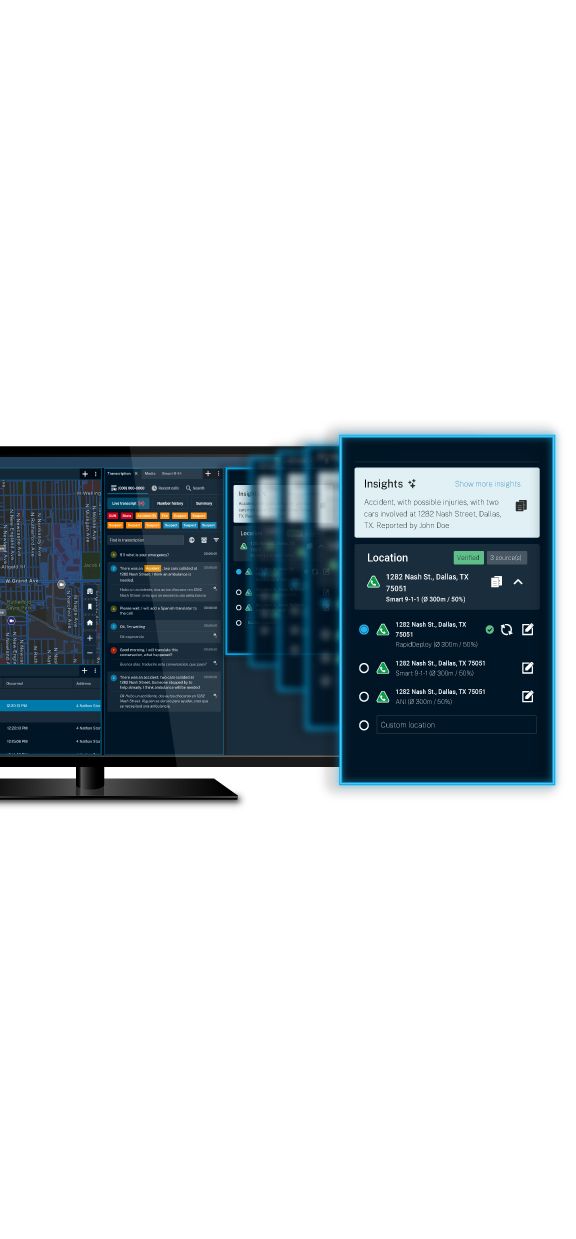
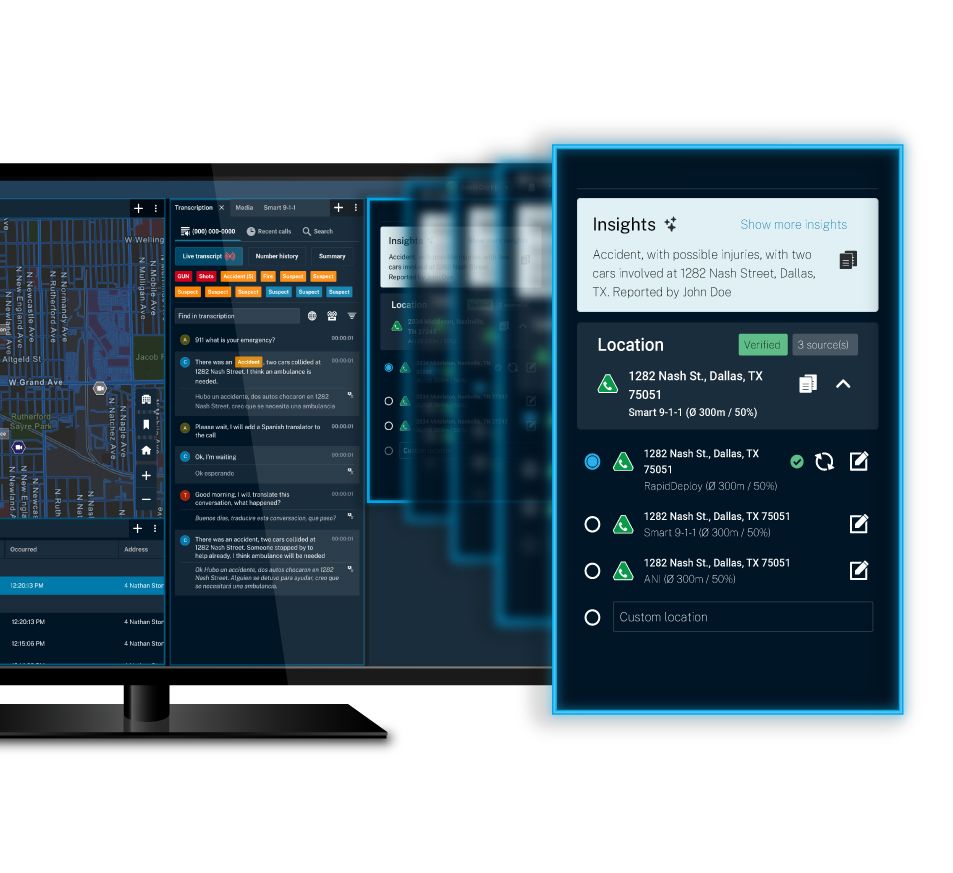
Help where and when you need it
Built on a foundation of human-centered design, Motorola Solutions has natively integrated Assist into our solutions to minimise operational bottlenecks. From real-time transcription to evidence redaction, we target points where the process is inefficient, or where there are opportunities for error, to help ensure your team moves with speed, accuracy and efficiency.
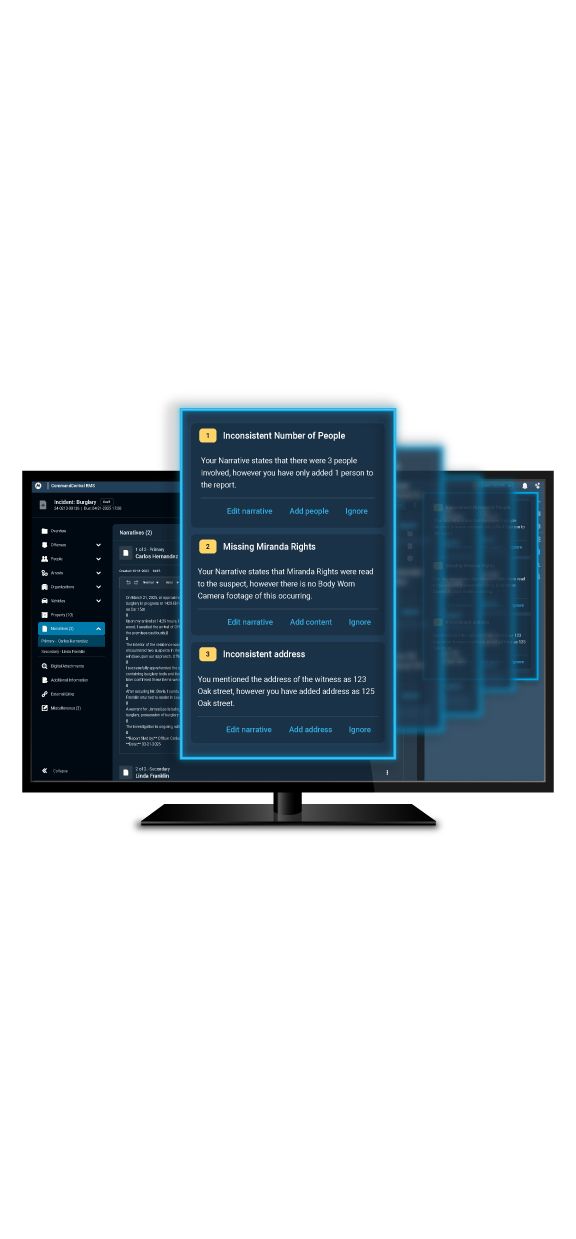
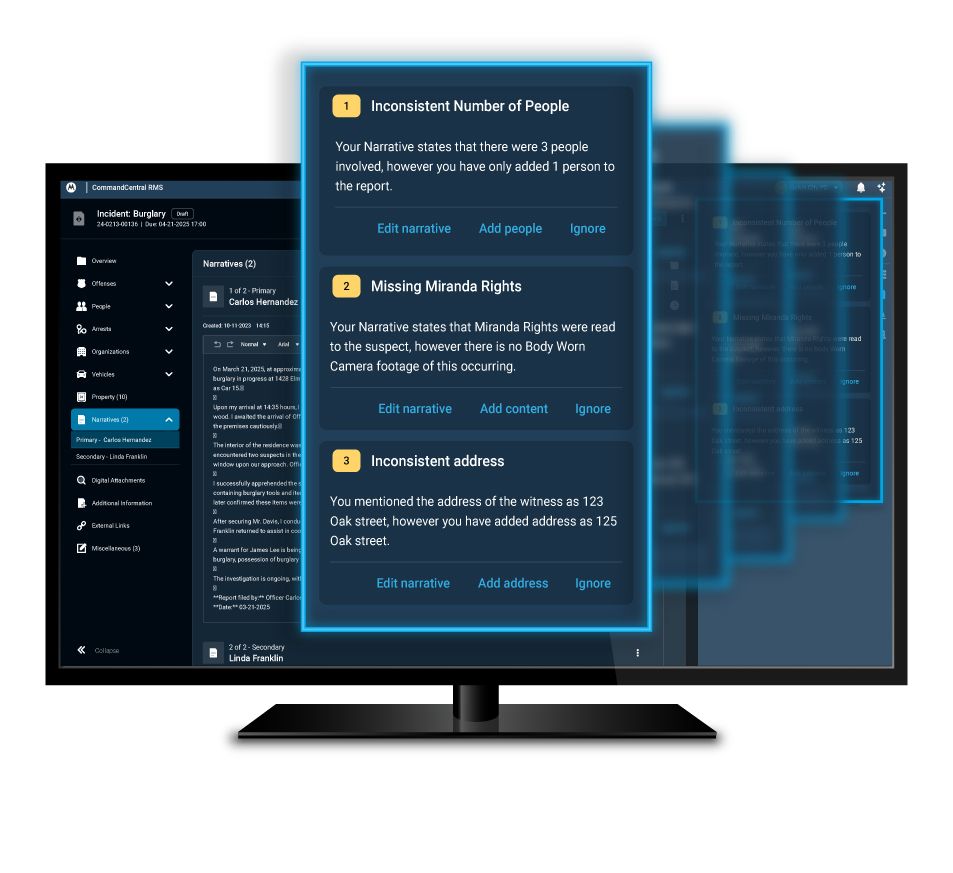
Personnel lead. AI Assists.
Your decisions face the highest level of scrutiny because the outcomes have real impacts on your community. This is why our AI applications in public safety are designed to assist, not replace. Assist accelerates routine activities to minimise busywork, providing the insights needed for consequential decisions while keeping you in control.
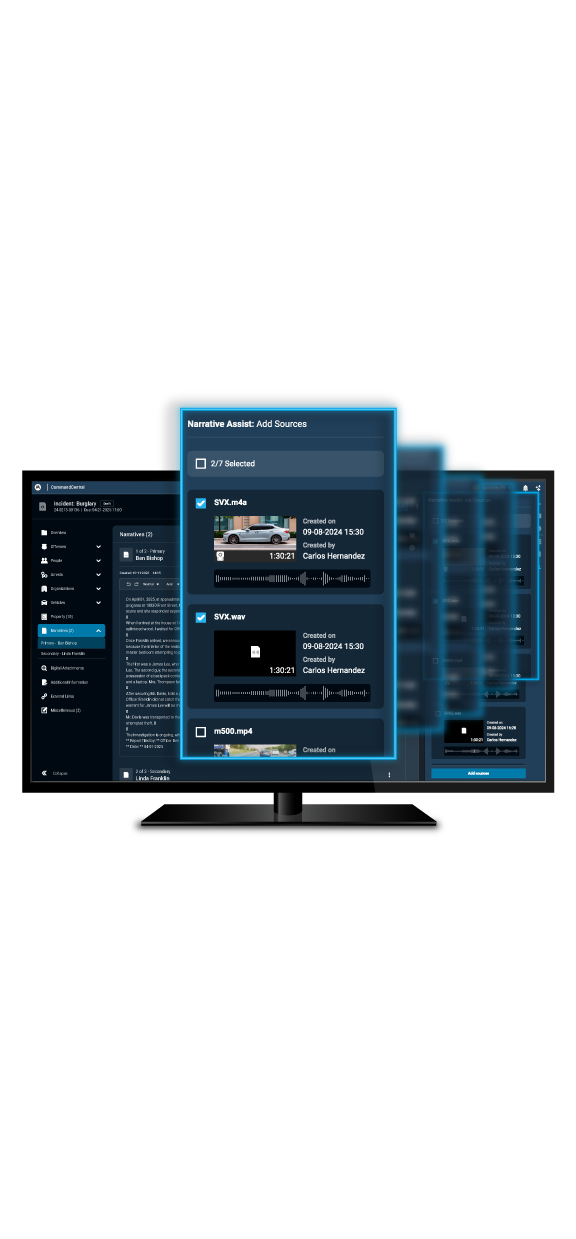
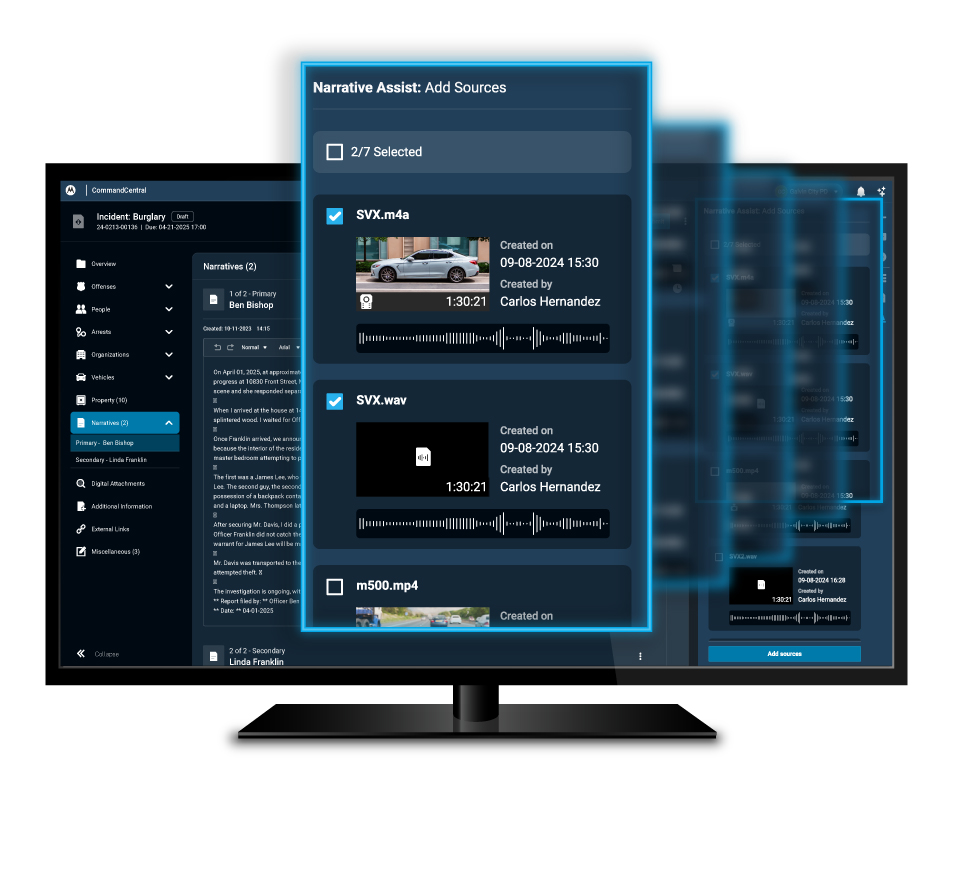
More data. Better insights.
One crucial detail can change everything. AI in public safety helps you find it.
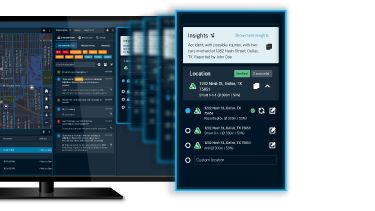
Assist bridges the gap between answering a 9-1-1 call and dispatch. Raw audio becomes the intelligence to deploy resources with speed and context.
En route and on scene, Assist empowers responders with eyes-up safety through voice-activated queries, tagging and live translation.
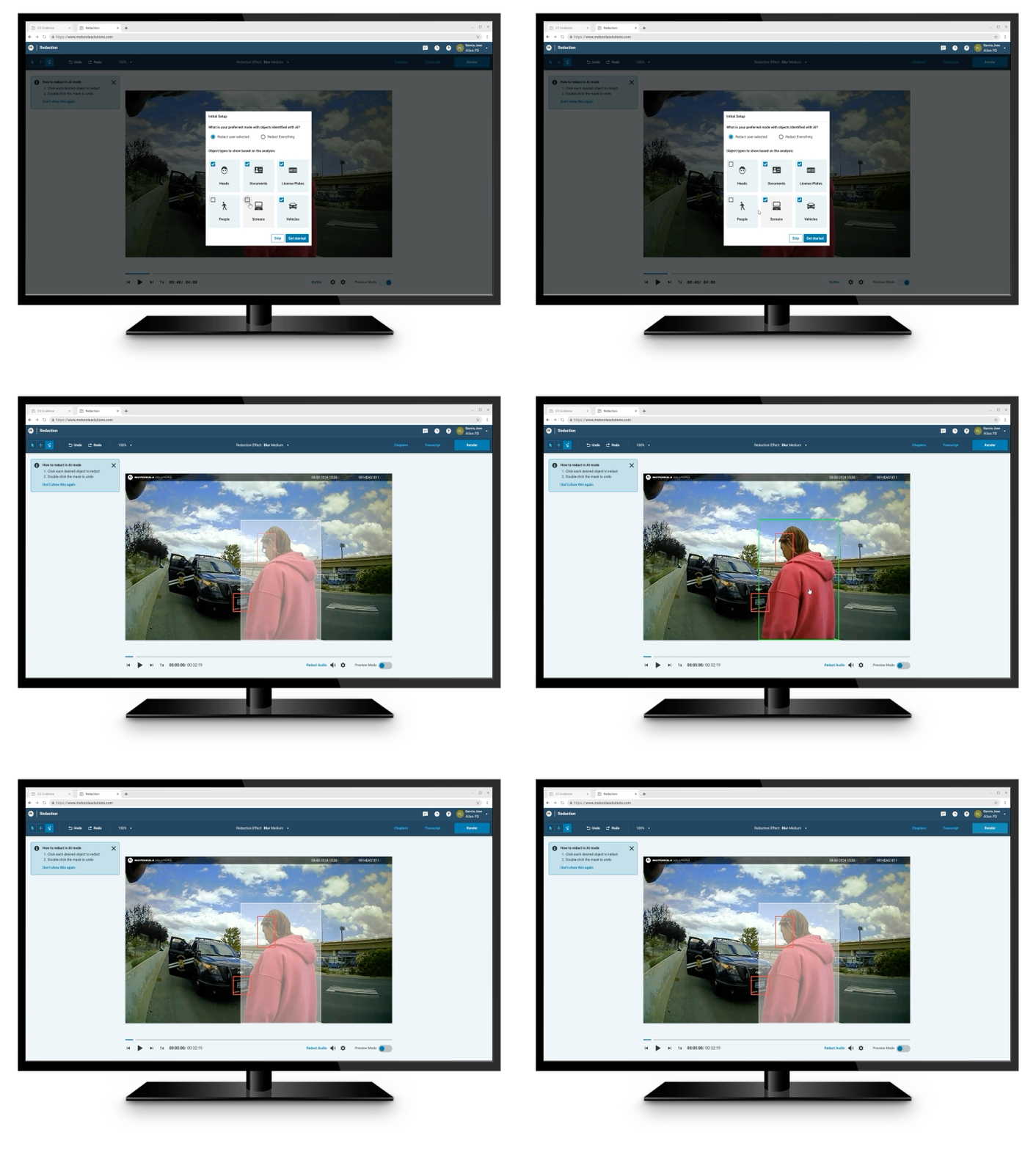
When the incident ends, Assist super-powers evidence management, reducing hours of paperwork and review to minutes.
FAQs about AI for public safety
AI can play a crucial role in assisting the emergency services, as AI saves time and time saves lives. Control rooms are often "data-rich but insight-poor." AI can help bridge this gap by quickly synthesising vast amounts of raw data — like audio, radio traffic and video feeds — into insights you can act upon. This helps your teams identify threats before they escalate, automate the burden of administrative reporting and get critical information to the field in seconds, not minutes. Contact an expert
We believe AI must be responsibly designed for mission-critical contexts in order to reliably assist people - and supercharge human capability - in critical moments of safety or security. At its core, we design AI to maximise human strengths like judgment and reasoning, and to adapt to changing roles, tasks, risk levels and cognitive states.
The Motorola Solutions Technology Advisory Committee (MTAC) is a diverse and multidisciplinary group that advises the company on the responsible and ethical use of our technologies, including the use of data and AI. MTAC works to ensure our innovations remain aligned with our purpose and values, and that accuracy, inclusivity, transparency and fairness are inherent in our solutions. Learn more
AI for emergency services can help solve key challenges. The technology can expedite a response by providing critical information to first responders quickly. AI can also detect potential threats that could impact community safety and support investigations by streamlining data analysis.
Another challenge that AI helps solve for emergency services is enhancing community trust and accountability. When AI is implemented with transparency, it can support fair policing practices and provide peace of mind for communities. Contact an expert
The public safety sector is adopting AI technologies, such as natural language processing (NLP) and machine learning, to enhance efficiency and improve response times.
Emergency Control Rooms use NLP to support call handling by translating and transcribing calls, while flagging keywords that determine incident urgency.
In the field, AI can help officers craft their reports, cross-checking accuracy and flagging discrepancies across multiple sources of incident intelligence, such as 911 calls, radio transcripts and video security footage.
Moreover, police forces use machine learning to analyse data, automatically flag unusual activity and alert responders to potential threats in real time. Contact an expert
We don’t build AI as an add-on; we build it into the networks your entire operations depend on.
Grounded in the mission-critical radio “lifeline,” and orchestrated across broadband, MANET, low Earth orbit (LEO) satellite and WiFi networks, we’re operationalizing intelligence across your environment from the cloud to the edge.
This foundational backbone provides the scale, security and redundancy that public safety demands, helping keep AI “on and always working” wherever you go. Contact an expert
Responsible AI means that AI technology is developed and used ethically and transparently to benefit society. This includes minimising biases, prioritising privacy and maintaining accountability in AI-informed decisions. To help avoid blind trust and overreliance in AI’s outputs, we design AI with ‘good friction’ - technology guardrails - so humans remain the ultimate decision makers. Contact an expert
At Motorola Solutions, we design AI systems with trust and transparency at the forefront, prioritising human decision-making while safeguarding data privacy and ethical standards. Building trust in AI systems requires transparency in how they work and the data they use. We deliberately design our AI to be:
- Accountable: You can easily see, check and override AI recommendations.
- Contextual: You receive information tailored to your specific role, task and situation.
- Engaging: You stay actively involved to guard against blind trust in AI, supported by built-in technology guardrails that help you remain the ultimate decision-maker.
- Tangible: You understand how the AI reached its conclusions and can see the sources from which it collated information. Contact an expert