
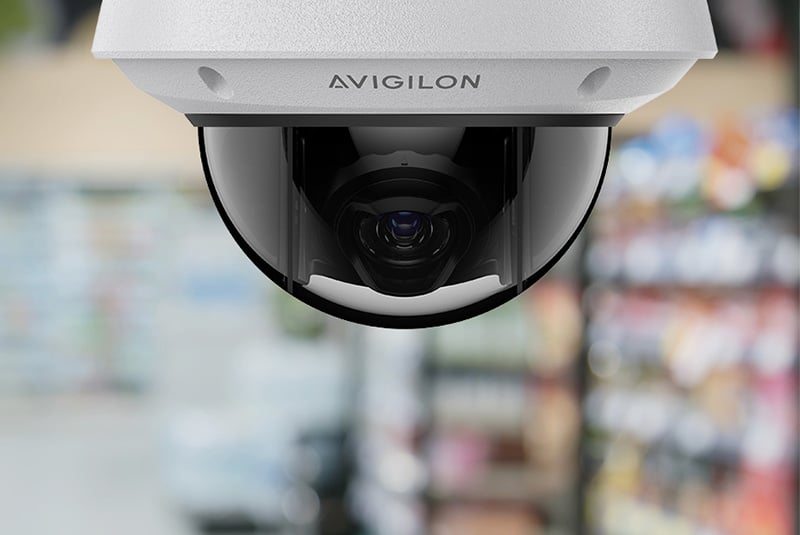
Maintaining a safe retail environment is crucial for retailers. Not only does it help protect staff and customers from potential threats and hazards, but it also improves consumer trust and meets retail store safety regulations.
However, security leaders and management teams are facing increasingly tough challenges to maintain retail safety in stores.
The National Retail Federation’s latest report reveals a 19% increase in external shoplifting and merchandise theft, while almost half of respondents acknowledged an uptick in violent incidents, leading to lost revenue, increased employee stress and fear for safety. But it's not just criminal activity that affects retail safety. Accidents, such as slips, trips and falls, involving staff and customers can lead to significant consequences for retailers, both legally and financially.
A proactive approach to health and safety in retail can prevent or minimize risks to employees and customers, creating a safer environment and a more efficient operation. This comprehensive guide explores the importance of retail safety, common challenges, how technology can be leveraged to support efforts and retail store safety tips.
Why retail safety matters
Prioritizing safety in retail fosters an environment where staff and shoppers feel secure, helping to increase brand loyalty. When a store focuses on safety, customers are more inclined to return, while employees are more productive and actively take part in maintaining a secure workplace.
Neglecting safety protocols can lead to workplace injuries, regulatory penalties and reputational harm. By not placing great emphasis on safety guidelines for retail stores, business owners are likely to face:
- Loss of customers: Retail stores that do not prioritize safety can lose customers, negatively affecting trust, sales and profits.
- Greater employee turnover: Employees who feel unsafe in the workplace may be less productive and choose to seek employment elsewhere.
- Increased number of lawsuits: A lack of retail store safety measures in 2026 can have legal repercussions, including lawsuits from injuries, fines and penalties and criminal charges when management ignores safety issues.
- Store closure: Continued negligence of retail safety can lead to the closure of the store.
Keep teams informed and empowered
Give employees the answers they need so they can handle workplace hazards, customer requests and stock inquiries.
- Reliable employee communication
- Share alerts regarding workplace hazards
- Enhance the customer experience
.jpg?width=300&name=Theatro-50-50-800x800%20(1).jpg)
Common retail safety challenges
Retail stores present a wide range of safety challenges that pose significant risk to both employees and customers. Below are some of the most common hazards often found in stores.
Slips, trips and falls
In 2024, falls accounted for 844 worker deaths, which was 17% of all workplace deaths, and nearly 480,000 injured and requiring days off of work. Messy aisles, wet floors and uneven surfaces are common threats to health and safety in retail stores for both employees and customers.
Workplace hazards
Serious injuries can result from the mishandling of heavy items, machinery, cleaning supplies and electrical systems. Maintaining high standards for customer and retail worker safety in stores involves implementing best practices and controls designed to proactively manage these ongoing risks.
Theft
Theft poses significant retail workplace safety risks, often leading to compromised security infrastructure, violence and the threat of repeat criminal activity. Instances of damaged security cameras, for example, can result in a failure to detect potential hazards and capture evidence, while staff members may face harm from thieves or organized criminal groups.
Aggression and violence
According to nearly 90% of retailers in the U.S., shoplifters have grown increasingly violent in recent years. This trend, along with potential aggression from disgruntled employees or upset customers, threatens health and safety in the retail industry.
Large crowds
Retail stores are frequently high-traffic areas where occupancy rates can shift rapidly. During emergencies or disturbances, crowds may behave in ways that are difficult to plan for, leading to bottlenecks that cause retail safety hazards.
5 best practices for retail store safety
Maintaining safe retail environments can be difficult, requiring engagement from all employees to adhere to guidelines. When developing safe working and customer safety policies and practices, all risks must be equally considered.
While retail environments differ, certain key safety strategies apply to all businesses. Implementing these best practices for retail employee and customer safety can consistently enhance the security and well-being of any store.
1. Carry out regular employee training
Retail health and safety training for employees is crucial to preventing incidents, addressing potential threats and helping to ensure the safety of customers. Employees should perform their roles with retail safety best practices in mind, with every staff member trained to identify, respond to and report hazards to management.
Employee training must be an ongoing, thorough process. All staff should receive professional training to ensure they can:
- Follow protocols regarding evacuations, loss prevention and accidents and injuries
- Use Personal Protective Equipment (PPE) correctly
- Safely operate and maintain heavy machinery
- Handle hazardous materials, such as cleaning products
- Take breaks and report feelings of fatigue
2. Design store layouts with accessibility in mind
Employee and customer injuries commonly stem from overcrowded spaces, trip hazards or poorly organized product displays. Although it may be impossible to remove the risk of accidents, retailers can reduce the number and severity by prioritizing accessibility within store layout designs.
Risk mitigation measures such as well-lit environments, wide aisles and accessible product placement are highly effective. For enhanced safety, retailers should also consider widening high-traffic routes and implementing clear aisle signage to help customers find what they want.
3. Leverage security technologies
Utilizing advanced and integrated security systems equipped with smart features is key to bolstering health and safety in the retail sector. For example, AI-powered security cameras and smart sensors can be configured to automatically detect threats and send alerts to operators, allowing them to take quick and appropriate action.
4. Conduct risk assessments and audits
Threats and hazards emerge regularly in retail operations, making the results of recent risk assessments inaccurate. Risk assessments and safety audits, performed by qualified professionals, must be carried out at least once a year as part of a comprehensive strategy to workplace safety for retail environments.
Every identified hazard must be evaluated to assess the probability of causing significant injury to employees or shoppers, with management prioritizing mitigation efforts on high-probability or high-severity risks, maintaining detailed reports of these findings for future reference.
It is also important to prioritize regular communication between management and employees. Regular safety meetings provide a forum for discussing current issues and plan responses and/or risk mitigation measures.
5. Maintain store cleanliness
Maintaining a clean environment is crucial to health and safety in retail. Keeping aisles clean, shelves secure and merchandise stored safely helps communicate a store’s commitment to well-being.
A retail store health and safety policy should outline procedures for performing cleaning duties, including instructions and responsibilities, as well as personal hygiene practices like regular hand washing and illness reporting. Furthermore, guidelines must be set for completing checklists, maintaining first-aid kits and responding to injuries.
Leveraging security technology for retail safety
Retailers rely on security technology to address their safety requirements. Modern, integrated solutions provide the capabilities needed to make retail stores safer by detecting potential threats and hazards, automating protocols and enhancing efficiency.
By leveraging the following security tools, retail stores can cultivate a secure environment for all:
- Security cameras: These devices provide coverage of key areas, including aisles, storage rooms, registers and parking lots, allowing security teams and management to gain comprehensive awareness of their store.
- AI video analytics: By integrating video analytics with security cameras, the solution can autonomously detect and alert users to potential threats. AI-powered video security provides 24/7 coverage over specified areas, delivering real-time alerts about risks like theft, vandalism and violent behavior.
- Communications technology: By equipping teams with hands-free, voice-driven devices, retailers can facilitate real-time information sharing, allowing staff to quickly alert management to workplace hazards, aggressive behavior or emergency situations.
- Body cameras: These devices reduce the chances of confrontation and capture footage of shoplifters and aggressive customers for real-time information and investigatory purposes.
- Access control: These systems help to secure the store and private spaces within it by restricting access. Authorized employees and contractors can be issued physical tokens or digital credentials on smart devices, granting access only to the areas required for their specific roles.
- Smart sensors and alarms: Smart sensors can help keep security teams on top of potential security events. These solutions can detect break-ins, violent incidents and trespassing events, delivering real-time alerts to operators to support automated responses.
- Anti-theft devices: To discourage shoplifting and mitigate losses, retailers should secure high-risk and expensive merchandise with Electronic Article Surveillance (EAS) tags. By reducing the overall appeal of the store to potential thieves, these systems enhance retail health and safety.
Learn more
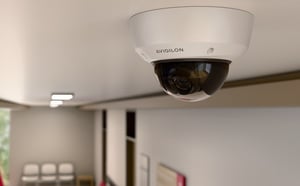
Security cameras
Detect threats and hazards in your store, including theft, harassment and spillages, with AI-powered fixed cameras.
Learn more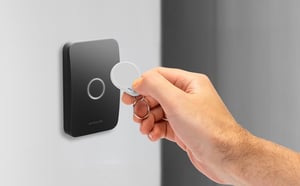
Learn more
Access control
Help secure employee-only areas by instantly notifying teams when unauthorized access is detected.
Learn more
Learn more
Body cameras
Help prevent crime and enhance retail store safety with real-time insights and exceptional video quality.
Learn moreComplying with retail safety standards
Business owners in the retail sector are legally obligated to ensure a secure working environment for their staff. In the U.S., for example, this requires compliance with the Occupational Safety and Health Administration (OSHA) standards.
While retail store safety guidelines often differ depending on location, standard regulations typically include:
- Maintaining a safe workplace environment, including complying with state regulations such as the New York Retail Worker Safety Act
- Deliver comprehensive retail health and safety training
- Keeping detailed records of near-misses, accidents and injuries
- Complying with fire and emergency codes
Failure to comply with federal, state and local regulations regarding safety can lead to significant fines and legal repercussions.
Retail safety is fundamental to business success
Prioritizing retail safety is more than just a regulatory necessity; it is an investment in the well-being of your employees and the trust of your customers.
By identifying common hazards, committing to regular staff training and integrating modern security technology, retailers can proactively mitigate risks and create a more resilient, efficient operation.
As the retail landscape continues to evolve, maintaining a safe and welcoming store environment remains the most effective way to protect your business, support your workforce and foster long-term customer loyalty.