
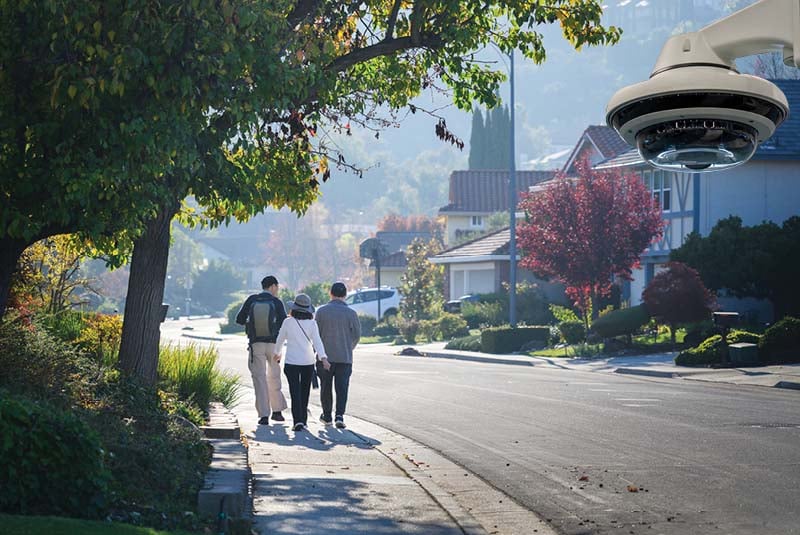
Trusted by 100,000+ organizations globally








Safe communities start at the front gate. Secure streets allow children to play freely, families to move comfortably and neighbors to engage with confidence. Smart video security technology supports everyday quality of life, giving communities the visibility they need while residents focus on daily living. However, safety challenges can surface in any residential area without warning.
When bad actors target local streets, physical gates or neighborhood watch groups may not be enough on their own. Modern threats demand clear, dynamic visibility. Installing IP security cameras for neighborhoods transforms passive observation into active awareness, giving local leadership, homeowners associations and law enforcement the real-time tools they need to keep streets safe and connected.
Why is neighborhood security important?
Preserving trust and helping residents feel safe inside their own homes requires a clear security strategy. Strong security attracts families and supports property values, as well as builds tight-knit communities.
Suburban areas face property crimes like package theft, vehicle break-ins, trespassing and vandalism. Unplanned incidents also leave property owners feeling vulnerable and frustrated. By taking a proactive stance on neighborhood surveillance, communities create a visible deterrent that stops criminal activity before it happens while building clear digital records when incidents occur.
What is the risk and threat landscape for neighborhoods?
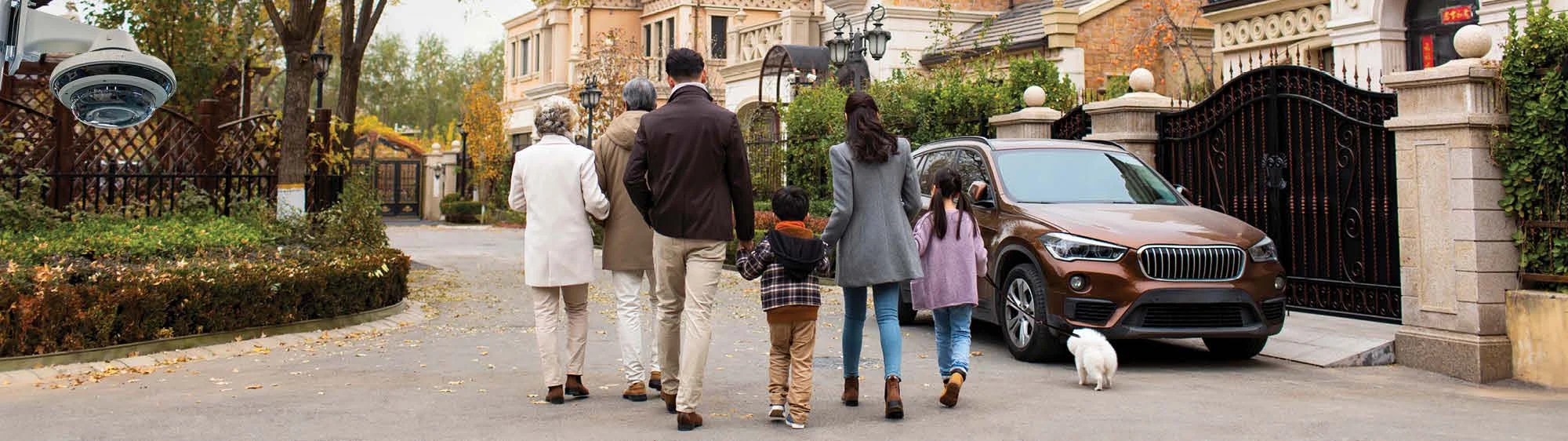
Suburban developments and residential communities face distinct security challenges. Today’s threat landscape involves specific patterns of opportunistic crime:
- Porch piracy and delivery theft: Rapid growth in e-commerce has made front doorsteps easy targets for swift, opportunistic theft.
- Vehicle prowling and theft: Unlocked cars parked on streets or driveways attract night prowlers seeking easy vehicle thefts, stolen valuables or spare keys.
- Speeding and reckless driving: Unmonitored residential streets frequently experience traffic violations that endanger children and pedestrians.
- Unauthorized entry: Open-access communities and unmanned HOA entry points allow unauthorized visitors to roam undetected.
- Vandalism and property destruction: Shared community assets like clubhouses, pools, parks and mail kiosks remain vulnerable to nighttime crimes.
Find the right cameras
Connect with a specialist to match the best neighborhood security cameras to your community layout and budget.
-
Customized plans for any street layout
-
Scalable hardware for every HOA budget
-
Expert help choosing the ideal cameras

Key components of a neighborhood security system
Comprehensive neighborhood security systems rely on layered defense mechanisms. While lighting and physical barriers play a role, visual technology forms the backbone of modern protection.
Combining hardware, software and strategic physical markers gives leadership teams complete visibility across shared spaces. Look for these core elements when designing a community setup:
- Neighborhood security cameras: High-definition cameras positioned at entry gates, intersections and common facilities to maintain clear visibility day and night.
- License plate recognition technology: Specialized optics engineered to read and record vehicle license plates in motion, day or night.
- Centralized video management software: Secure cloud platforms that store footage, organize events and enable fast searches.
- Automated alerts and smart analytics: Intelligent algorithms that flag suspicious behavior, such as loitering or wrong-way driving, in real time.
- Signage and visual deterrence: Clear signage informing visitors that neighborhood video surveillance systems actively watch the area.
- Power and network redundancy: Battery backups and cellular connections keep cameras recording during power outages or internet disruptions.
- Access control integration: Connected gate mechanisms sync with video feeds to verify visitor credentials before granting entry.
Neighborhood cameras: Types and uses
Choosing the right hardware helps keep every corner of your community protected, with different security camera types serving specialized roles across the property network.
Bullet cameras
Bullet cameras feature a prominent cylindrical design extending outward from walls or poles. Their visible presence acts as a direct psychological warning to potential trespassers. These devices work best along long entry roads, perimeter fences and long stretches of open street where focused, directional coverage is essential.
Dome cameras
Housed in vandal-resistant spherical casings, dome cameras offer discreet coverage. Their curved design makes it difficult for observers to tell where the lens points. They excel in high-traffic shared spaces such as HOA clubhouses, swimming pools, fitness centers and community mail kiosks.
License plate recognition (LPR) cameras
LPR units focus exclusively on capturing crisp, readable license plate numbers on moving vehicles, even at speed and under harsh headlight glare. Placed at main neighborhood entry and exit points, HOA community security cameras equipped with LPR provide actionable leads for law enforcement when crimes occur.
Pan-tilt-zoom (PTZ) cameras
PTZ cameras offer dynamic coverage, allowing operators or automated presets to pan across wide areas, tilt up or down and zoom in on specific details. They suit expansive open spaces like neighborhood parks, sports fields and large parking lots.
Solar and wireless cameras
Solar-powered units operating over cellular networks remove the need for hardwired electrical or internet infrastructure. They provide an ideal solution for remote perimeter fences, trail entrances or distant property boundaries where traditional wiring is cost-prohibitive.
How to choose between cameras
Selecting hardware comes down to matching specific environmental needs with clear operational goals. Community boards and decision makers must balance three primary factors:
1. Location and environment
Outdoor deployments require weather-rated housing (IP66 or higher) capable of withstanding rain, extreme temperatures and high winds. Dome cameras handle physical tampering in public areas, while bullet cameras cover open outdoor lanes. Harsh weather conditions or direct sunlight call for durable outer casings and built-in heaters or sunshields to maintain image clarity year-round.
2. Coverage area and distance
Wide-angle dome cameras suit compact spaces like playground perimeters. Long-range bullet cameras or PTZ units handle wide stretches of road or common spaces. Evaluating field of view and focal length helps determine whether a single unit covers an entire intersection or if overlapping lenses are needed for full visibility.
3. Intended purpose
If the goal is general situational awareness, standard high-definition neighborhood camera systems work well. If the goal is capturing actionable evidence from fleeing vehicles, dedicated license plate recognition units are non-negotiable. Matching camera capabilities to exact safety priorities prevents gaps in coverage and avoids unnecessary hardware expenses.
Key features to look for
Not all surveillance systems perform equally when conditions deteriorate. Choosing equipment with the right core capabilities ensures your system operates reliably around the clock while keeping management simple for local leaders. Look for these essential technological capabilities:
- Smart video analytics: AI-powered motion filtering distinguishes human and vehicle movement from swaying tree branches, falling leaves or passing animals to eliminate nuisance alerts.
- High dynamic range and night vision: Infrared sensors and high dynamic range sensors deliver clear, detailed video in complete darkness or harsh midday sunlight.
- Remote viewing capabilities: Authorized HOA board members or security staff can access live feeds and archived video instantly from smartphones or web browsers.
- Scalable cloud storage: Secure offsite storage keeps video records safe from physical damage, theft or hardware failure at local recording boxes.
- Automated license plate capture: High-speed optical sensors capture plates accurately regardless of vehicle speed, weather or ambient lighting conditions.
- Automated event alerts: Real-time notifications send instant warnings to authorized personnel the moment unusual activity triggers system sensors.
- Custom activity zones: Smart configuration tools let users highlight critical areas like entry gates or pool entrances while ignoring high-traffic public footpaths.
Get your free video security guide
Learn everything you need to know before investing in a commercial camera system, including:
-
The different types and their use cases
-
Important components
-
Key considerations before buying

Pros and considerations of neighborhood video surveillance
Evaluating security options requires weighing clear benefits against daily operational needs. Adding visual coverage gives leaders and residents continuous insight into property activity, making neighborhoods safer and easier to manage.
|
Advantages |
Considerations |
|
Deters opportunistic crime and vandalism before it happens. |
Upfront hardware and installation costs require budget planning. |
|
Provides crucial, timestamped evidence to law enforcement. |
Requires clear privacy policies and access guidelines. |
|
Increases resident safety and boosts property value. |
Needs routine maintenance and periodic software updates. |
|
Enables quick dispute resolution between neighbors or visitors. |
Potential pushback from residents concerned about over-surveillance. |
Smart technology does the heavy lifting by capturing crisp video and flagging suspicious activity automatically. Clear usage rules, restricted access credentials and flexible service plans keep management simple while preventing surprise costs for your community.
Implementing neighborhood security camera systems
Installing community surveillance cameras requires careful planning and structured execution. Follow these six steps for a smooth rollout:
1. Identify decision makers and form a safety committee
Establish a dedicated steering committee comprising HOA board members, interested residents and local law enforcement liaisons. This group guides the project from initial research through installation.
2. Determine scope, objectives and budget
Map out target areas requiring protection. Focus on primary entryways, secondary access roads, amenities and blind spots. Align coverage needs with available community reserve funds or dedicated safety assessments.
3. Evaluate vendors and schedule site walks
Invite experienced security professionals to perform physical site assessments. Experts identify optimal mounting heights, lighting constraints, network coverage options and field-of-view requirements for high-impact neighborhood surveillance cameras.
4. Draft community privacy guidelines
Transparency builds resident trust. Publish clear guidelines detailing where cameras point (public streets and common areas only), who holds viewing credentials, how long footage remains stored and under what conditions footage gets released to law enforcement.
5. Install hardware and configure software
Work with licensed installers to mount hardware, configure network connections, calibrate motion analytics and test night vision capabilities across all deployed security cameras for HOA properties.
6. Educate residents and launch
Inform the community prior to activating the network. Highlight how the system protects residents, share official safety contact information and display visible warning signage at neighborhood entrances.
Best practices and considerations
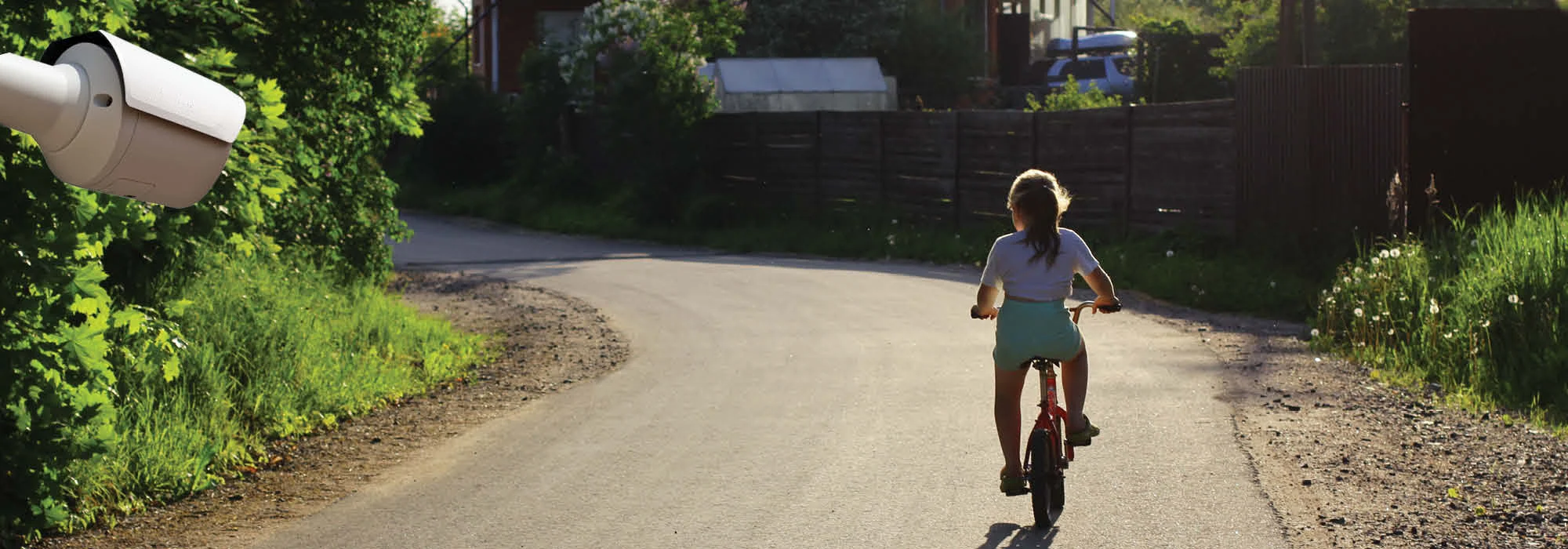
Long-term success relies on smart ongoing operational habits. Setting up neighborhood camera systems calls for careful planning around placement, network stability and long-term care.
- Strategic camera placement: Position devices at primary traffic hubs like main entrances, intersections and shared amenities. Lenses capture clear facial details and vehicle license plates without pointing into private residential windows. High-visibility neighborhood watch cameras placed along entry corridors provide an immediate deterrent while recording crisp footage of passing traffic.
- Data privacy and clear compliance: Limit access strictly to authorized board members or designated safety officers. Never stream footage publicly or share credentials. Draft clear rules explaining where neighborhood surveillance cameras operate, how long video remains stored and when footage gets shared with law enforcement. Automatic deletion schedules clear archived footage every 30 to 60 days unless an active police investigation requires preservation.
- Network reliability and storage: Choose scalable recording options that handle high data volumes without losing video details. Reliable community surveillance cameras depend on strong local network connectivity or cellular backup to send real-time alerts. Cloud storage options feature end-to-end encryption to guard sensitive video files against unauthorized access.
- Governance for residential areas: Establishing surveillance cameras in residential areas demands transparency between leadership and residents. Provide clear notices at entrance gates and host open meetings to discuss system updates. When residents understand how neighborhood camera systems protect public spaces without invading private property, community support stays strong.
- Preventative maintenance: Schedule semi-annual hardware inspections to clean lenses, trim obstructing foliage, check cable connections and update device firmware. Regular upkeep prevents blind spots and stops power interruptions, keeping every unit operating at peak performance year-round.
Choosing the right security setup for your community
Protecting a community comes down to clear technology and simple management. Upgrading your neighborhood security gives board members, residents and officers the visibility they need to deter crime and quickly investigate incidents when they occur. Modern neighborhood watch cameras run quietly in the background, keeping shared roads and entryways secure without getting in the way of daily life.
Finding the best neighborhood security cameras depends on your property's layout and long-term goals. Many communities look for neighborhood surveillance that combines cloud storage, smart motion alerts and crisp video capture to simplify daily safety tasks, giving residents reliable coverage they can count on, day and night.
HOAs have similar priorities. HOA security cameras make watching entry points straightforward, while clear guidelines around their use protect resident privacy and keep key common areas protected. Built to deliver total coverage, effortless management and real peace of mind, community security cameras and HOA security systems keep your streets protected and easy to oversee.
Neighborhood security FAQs
Get clear answers about neighborhood security, compliance rules, funding options and system management.