

High-profile individuals face a broad range of threats that go beyond physical danger. As risks evolve across digital, physical and global environments, executive protection has transformed into a necessary security measure. Rather than relying on standard safety protocols, executive protection delivers tailored, proactive defense strategies to protect these individuals and their families.
What is executive protection?
Executive security protection refers to the specialized measures taken to protect high-profile individuals, including corporate executives, leaders and celebrities. These measures include protection from physical, digital and environmental threats, as it’s tailored to the needs of a specific individual.
Executive protection, or private executive security, is necessary for individuals who face elevated risk because of factors such as their wealth, public status, industry involvement or geographic location. Common groups of individuals who benefit from such executive protection detail include:
- C-suite executives
- High-net-worth individuals
- Political figures, monarchs and dignitaries
- Celebrities
- Athletes
- Actors
- Musicians
Having executive security protection helps ensure these individuals are kept safe, protects brand reputation, provides peace of mind for them and their families and ensures organizations that these individuals lead can continue operating.
Clear, reliable communication
-
Connect executive protection agents
-
Smart design for faster communication
-
Coordinate operations with ease
-
Benefit from wide-area coverage
Key responsibilities of executive security protection agents
Executive protection agents work to protect high-profile individuals against a diverse range of risks and their responsibilities go beyond just basic protection.
Safeguard VIPs
The primary responsibility of an executive protection agent is to safeguard VIPs from physical harm, harassment and unauthorized interference.
Agents usually stay close to the client while still being discreet, but acting as a physical buffer against potential physical threats and ensuring immediate protection.
Threat assessment
Before and during a detail, executive protection security teams are responsible for conducting a comprehensive threat assessment in order to identify potential vulnerabilities, intelligence risks and physical hazards.
By analyzing different areas before arriving with the client, agents can proactively mitigate and avoid potential danger. They can assess the area by looking at the local security environment, news reports and specific hostility risks currently targeting the VIP.
Accompanying during travel
Travel can increase the risk of danger for high-profile individuals as they become more vulnerable in unfamiliar places.
Executive protection agents help to decrease these vulnerabilities by managing cross-border customs, airport logistics, hotel security and local escort details.
Secure transportation
Another responsibility of executive protection officers is protecting their clients while in transit, including defensive driving and secure vehicle operations.
This can be accomplished with trained drivers and escorts using armored vehicles, maneuvers to avoid danger in emergencies and pre-planned, secure arrival and departure techniques.
Route planning
A lot of executive protection relies on advanced work, including evaluating transit routes, identifying primary and alternate paths and locating nearby medical facilities.
When done thoroughly, route planning minimizes predictable patterns and ensures safe and quick evacuation options if needed.
Event security
Events including public appearances, conferences and private functions require strict perimeter control and crowd management.
Agents can coordinate with local law enforcement and venue personnel to secure private areas for the executive and monitor crowds.
Protect locations
Agents can also be responsible for protecting the locations that their clients are occupying, including corporate offices, private residences and hotels.
This can be done by leveraging video security, alarms and access control solutions, implementing perimeter barriers and even vetting the specific site’s staff or visitors.
Incident response
In an emergency, executive protection agents execute pre-planned protocols as quickly as possible. The primary responsibility of an agent during an incident is to safely remove the VIP from danger and bring them to safety, as opposed to confronting the emergency.
Key challenges in executive protection
Executive protection teams face many challenges that are constantly changing. It is their responsibility to stay aware of any potential risks and work to mitigate them. Below are some challenges that teams could face and must stay on top of:
- Evolving threat landscapes: Global risks and social dynamics are constantly and unpredictably changing, forcing security teams to consistently adapt and stay up to date with news and developments.
- Balancing safety with privacy and business needs: Agents must maintain security while ensuring that they don’t disrupt the productivity of executives or intrude on an individual’s personal life, without approval.
- Threat escalation: Critical threats can develop into incidents and emergencies in a matter of seconds, demanding immediate decision-making and precise execution under pressure.
- Lack of real-time insights: Without immediate access to data or field communications, security teams can struggle to make informed decisions quickly.
- Growing cyber threats: Digital vulnerabilities are growing every day as technology evolves. Things like online tracking, data leaks and targeted cyberstalking are becoming increasingly difficult to maintain as connectivity and our technological abilities increase.
Role of technology in executive security protection
In executive security, advanced security technology can empower agents with real-time intelligence, seamless connectivity and automated threat detection, helping them to carry out their duties effectively.
Body cameras
Body cameras capture a record of incidents to support transparency and provide clear post-event analysis. Some devices are even equipped with live-streaming capabilities and real-time connectivity that allow other team members to observe situations as they unfold, provide immediate guidance and send back-up.
Body cameras for agents
-
Coordinate a more effective response
-
Deter threats and combat false claims
-
Increase protection agent transparency
-
Livestream video to support staff
-
Provide peace of mind to VIP clients

Two-way radios
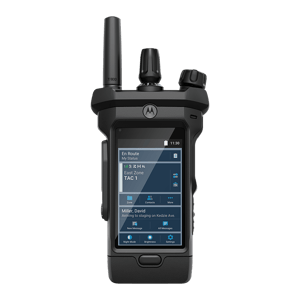
Reliable communication is the foundation of any security team. Radios keep executive protection agents connected across teams and dispatch, allowing real-time information to be shared instantly to help coordinate operations and emergency responses during high-risk situations.
AI-powered video security and analytics
AI-powered video security and analytics turn video footage into an active security layer. These technologies can process visual data in real time to deliver immediate situational awareness, as they can automatically flag unusual behavior, vehicles of interest or perimeter breaches.
This improved awareness can guide agents in their operations and quickly make adjustments to help protect their clients from potential live threats and hazards.
Secure the future of executive safety
As security concerns grow in complexity, executive protection requires a comprehensive approach that combines skilled agents, planning and modern security technology. Equipping security teams with advanced communication and real-time analytics tools will ensure better protection for high-profile individuals.