Church security plan: Ways to protect your place of worship
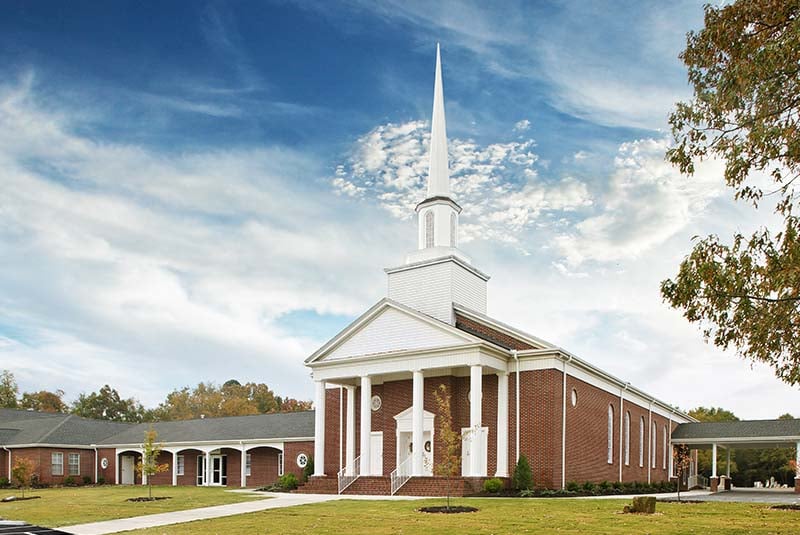







Churches have long served as places of worship, community and refuge. While these spaces are designed to be welcoming and accessible, today’s security landscape requires churches to balance hospitality with preparedness.
Whether your congregation has 100 members or several thousand, having a comprehensive church security plan helps reduce risks, improve emergency preparedness and protect people during everyday operations and unexpected events. This guide explains how to develop effective church security policies, build a capable security team, implement the right technologies and establish procedures that help keep your congregation safe.
A church security plan is a documented strategy that outlines how a church prevents, responds to and recovers from security incidents and emergencies. It defines the policies, procedures, technologies and personnel responsible for protecting people, facilities and church assets.
Unlike a simple emergency evacuation document, a complete church safety plan considers everyday operations alongside high-risk situations. Most church security plans include:
The most effective plans combine trained personnel with integrated security technology, such as visitor management software and video surveillance systems, allowing churches to detect potential threats earlier, communicate quickly and coordinate responses more effectively.
Together, these tools create multiple layers of protection while supporting a safe and welcoming worship environment.
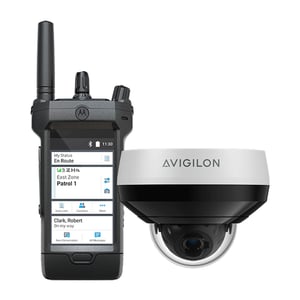
Keep your occupants and staff safe with integrated Motorola Solutions security.
Security concerns affecting churches continue to evolve. While active violence receives significant media attention, many congregations are responding to a much broader range of risks.
Houses of worship have increasingly become targets of ideologically motivated attacks, personal grievances and domestic conflicts. Preparing for these situations involves more than installing security cameras.
Churches should establish emergency communication procedures, conduct active threat training, coordinate response plans with local law enforcement and ensure staff and volunteers understand lockdown and evacuation procedures. AI-enabled video analytics, controlled entry points and mass notification systems can also improve response times during rapidly evolving situations.
Not every security threat originates from outside the congregation. Churches regularly host weddings, funerals, counseling sessions, support groups and family ministries where emotionally charged situations can arise.
Domestic disputes, custody disagreements or restraining order violations may unexpectedly occur on church property. A documented church security policy should outline how staff and volunteers identify escalating situations, discreetly notify security personnel and involve law enforcement when necessary.
Medical incidents are among the most common emergencies church experiences. Large congregations often include elderly members, young children and individuals with chronic health conditions, increasing the likelihood of heart attacks, strokes, seizures, falls, allergic reactions or other medication emergencies occurring during services or events.
Preparing for these incidents includes training volunteers in CPR and first aid, maintaining accessible automated external defibrillators (AEDs), ensuring emergency exits remain clear and establishing procedures for guiding emergency medical services to the correct location within the facility.
Electrical failures, kitchen equipment breaking down, candles, heating systems and aging infrastructure can all increase the risk of fire within church facilities.
Every church should conduct regular fire drills, inspect extinguishers and alarm systems, maintain clear evacuation routes and coordinate evacuation procedures for children, individuals with mobility challenges and during large gatherings.
Churches often contain valuable equipment such as audiovisual systems, musical instruments, computers, historical artifacts and donation funds. They may also experience increased vulnerability during weekdays when buildings are occupied by fewer people.
Access control systems, intrusion alarms, monitored surveillance systems and secure key management policies help reduce opportunities for theft while improving accountability for those who enter restricted areas.
As churches increasingly rely on digital tools for online giving, livestreaming, volunteer scheduling, member database and facility management, cybersecurity has become an essential component of physical security planning.
Cybercriminals may target donating platforms, steal personal information, deploy ransomware or compromise connected security devices. Implementing strong passwords, multi-factor authentication, regular software updates and network security best practices helps protect both sensitive information and connected building systems.
A successful church security team extends beyond volunteers stationed at the front entrance. Effective security planning involves leaders from across the organization, each with clearly defined responsibilities. Understanding these roles helps everyone know who is responsible before an emergency occurs.
Typical members include:
Clearly defining these responsibilities reduces confusion and enables faster decision-making during emergencies.
Every church needs a safety plan to ensure their congregation and space are secure and safe.
Every church faces unique risks based on its location, size, facilities, ministries and surrounding community. A thorough assessment should evaluate:
The assessment should prioritize risks based on both likelihood and potential impact.
A written church security policy establishes consistent expectations across the organization. Your policy should define:
Creating a documented church security policy example for staff and volunteers to use will help ensure everyone follows the same procedures.
Your church security protocols should provide step-by-step instructions for various emergency scenarios. These should include:
Every church security protocol should identify decision-markers, communication methods, evacuation routes and recovery procedures.
Technology should support, not replace, trained personnel. Consider integrating:
Working with a unified security platform simplifies monitoring by allowing operators to manage multiple technologies from a single interface.
Even with the best church security plans, sometimes things can become ineffective if volunteers are unfamiliar with their responsibilities. Conduct:
Training should occur throughout the year, not just once during implementation.
Churches continually evolve their needs and so should their safety plan. Review your plan after:
Security planning should be treated as an ongoing process rather than a one-time project.
Budget limitations often delay important security improvements. Potential funding sources include:
Planning projects in phases can also make implementation more affordable.
People and procedures are the foundation of every effective church security plan, but modern technology enables churches to detect threats sooner, respond faster and improve situational awareness. The best security programs don’t rely on a single device or system, they use multiple layers of protection that work together to safeguard churches.
Whether you’re building a small church safety plan or modernizing security across a mutli-campus ministry, consider incorporating the following technologies and best practices.
Video surveillance is one of the most valuable tools available to a church security team. Beyond recording incidents, today’s intelligent camera systems provide real-time visibility into activities occurring throughout church properties.
Modern AI-enabled cameras can help identify unusual activity before it escalates, allowing security personnel to intervene more quickly.
Key capabilities include:
AI analytics can also recognize:
For security teams responsible for monitoring multiple buildings, these capabilities significantly reduce the time required to identify and investigate incidents.
Managing who can enter different areas of a church is essential for protecting children, staff, volunteers and sensitive information.
Electronic access control replaces traditional keys with centrally managed credentials, making it easier to secure facilities while reducing the risks associated with lost or duplicate keys.
Access control can protect areas such as:
Credential options include:
Permissions can be customized based on an individual’s role, ministry or schedule. Many modern systems also integrate with video surveillance, allowing security personnel to immediately review video associated with access events.
Churches welcome new visitors every week, making it important to balance hospitality with accountability. Visitor management software helps identify guests while maintaining a welcoming experience.
Features may include:
Some systems can also integrate with access control, allowing temporary credentials to be issued only for approved areas during designated time periods.
Alarm systems remain a critical component of physical security, particularly when buildings are unoccupied. Modern intrusion detection systems provide much more than simple door contacts.
They may include:
When integrated with video surveillance and access control, alarms can automatically display live camera feeds, notify security personnel and document events for future investigation.
Fast, accurate communication is critical during emergencies. Mass notification systems help churches quickly distribute information to staff, volunteers, ministry leaders and congregants across multiple communication channels.
These systems may deliver alerts through:
Communication templates prepared in advance allow security teams to issue instructions within seconds during rapidly evolving situations.
Reliable communication between volunteers is essential during services and special events. Dedicated two way radios provide dependable communication even if cellular networks become congested during emergencies.
Best practices include:
Clear communication reduces confusion and improves coordination across the church safety team.
As churches adopt cloud-based technologies, cybersecurity becomes an essential component of any church security policy.
Many physical security devices — including cameras, access control systems and building automation platforms — are connected to the organization's network.
Best practices include:
Protecting these systems helps prevent unauthorized access while ensuring security technologies remain operational during critical events.
Implementing security measures often presents operational and cultural challenges. Common concerns include:
Security should remain visible without appearing intimidating. Using trained greeters and discreet cameras helps maintain a welcoming environment.
Clearly communicate how surveillance footage is used, stored and protected. Establish retention policies and limit access to authorized personnel.
Prioritize projects based on risk. Many churches successfully implement security improvements over several years.
Cross-train volunteers to reduce dependence on a small number of individuals. Technology can also automate many routine monitoring tasks.
Some congregants may initially resist new procedures. Explain how security planning supports ministry by protecting people, not restricting access.
Use this church security checklist to evaluate your current preparedness.
Developing a security program doesn’t have to begin from scratch. Helpful resources include:
Using a church security plan template can help churches organize policies, responsibilities, emergency procedures and implementation timelines more efficiently.
Protecting a place of worship requires more than installing cameras or locking doors. An effective church security plan brings together people, policies, procedures and technology to create a safe environment where congregants can focus on worship and community.
Whether you’re developing a small church safety plan or modernizing security across a multi-campus ministry, the most successful programs begin with a thoughtful risk assessment, involve leaders from across the organization and evolve over time as new challenges emerge.
By investing in training, documenting procedures, leveraging integrated security technologies and reviewing your plan regularly, your church can strengthen its preparedness while preserving the welcoming atmosphere that defines every place of worship.
To learn more about our church security solutions, contact sales.