


Enabling collaboration that’s critical to safety and security
At Motorola Solutions, we’re committed to helping create safer communities, safer schools, safer hospitals, safer businesses, safer everywhere.
Safer cities
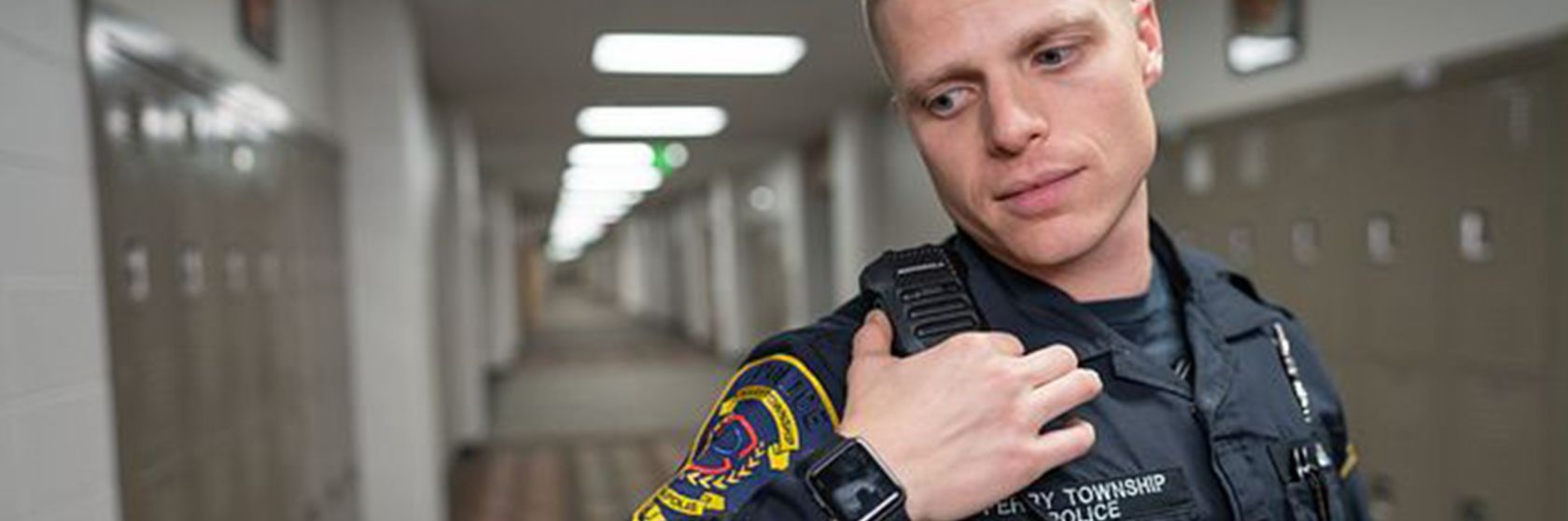
Law Enforcement
Explore solutions

Fire and EMS
Explore solutions

U.S Federal Government
Explore solutions
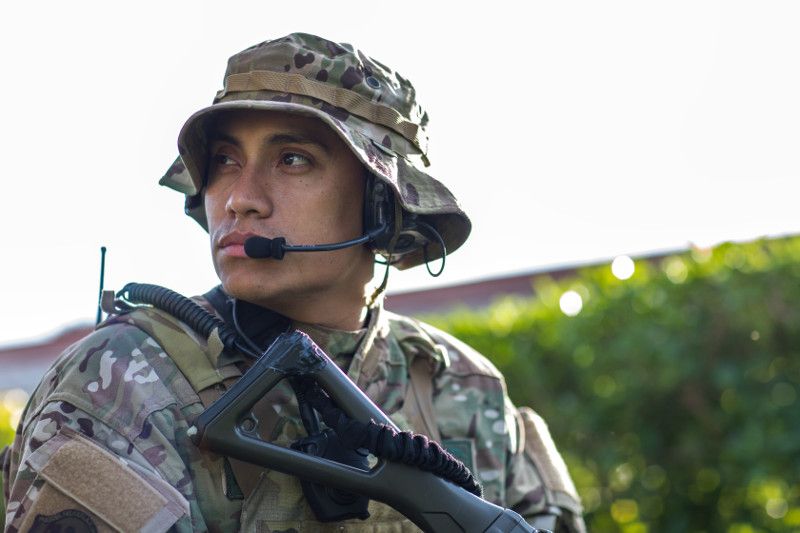
U.S Military & Defense
Explore solutions

Education
Explore solutions
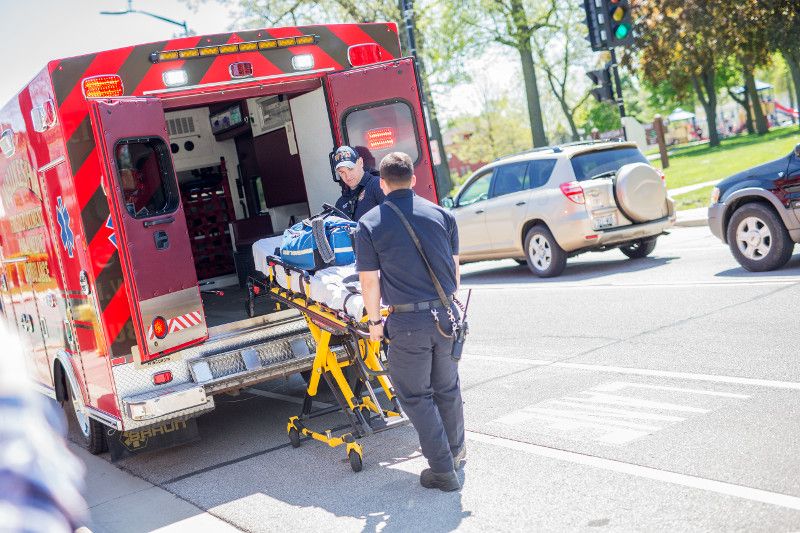
Healthcare
Explore solutions
Disaster Preparedness
Explore solutions

Corrections
Explore solutions
Safer workplaces
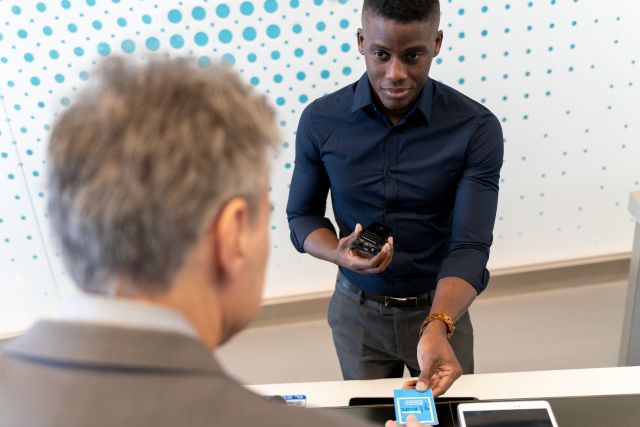
Hospitality
Explore solutions
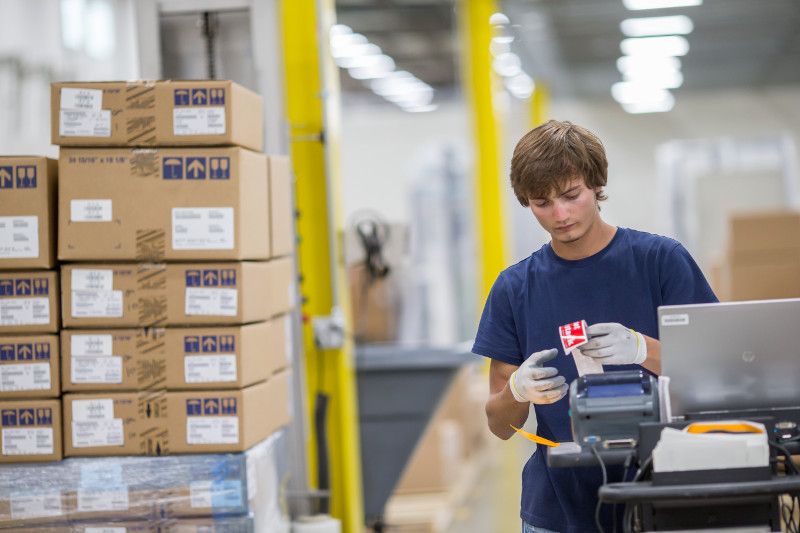
Manufacturing
Explore solutions
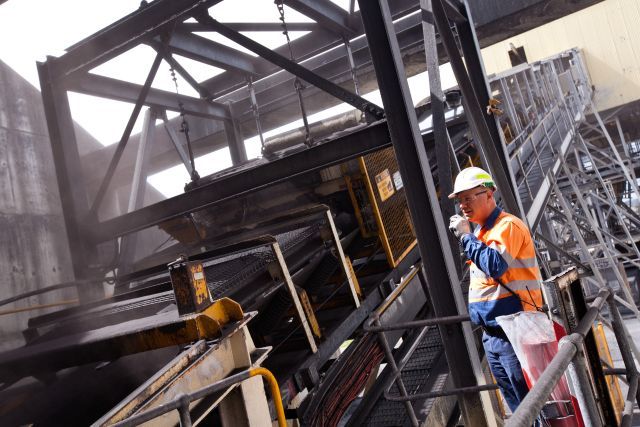
Mining
Explore solutions
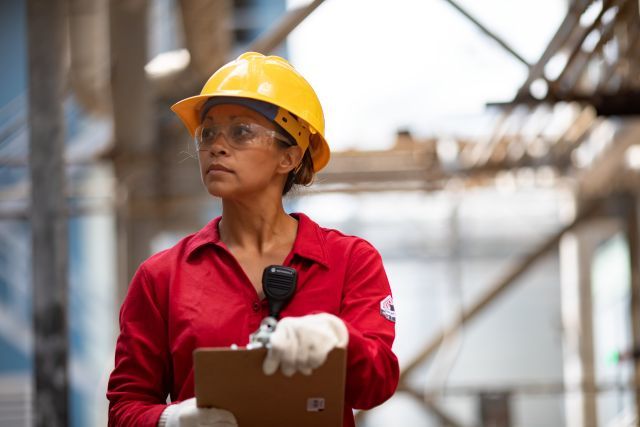
Oil and Gas
Explore solutions

Stadiums
Explore solutions

Retail
Explore solutions
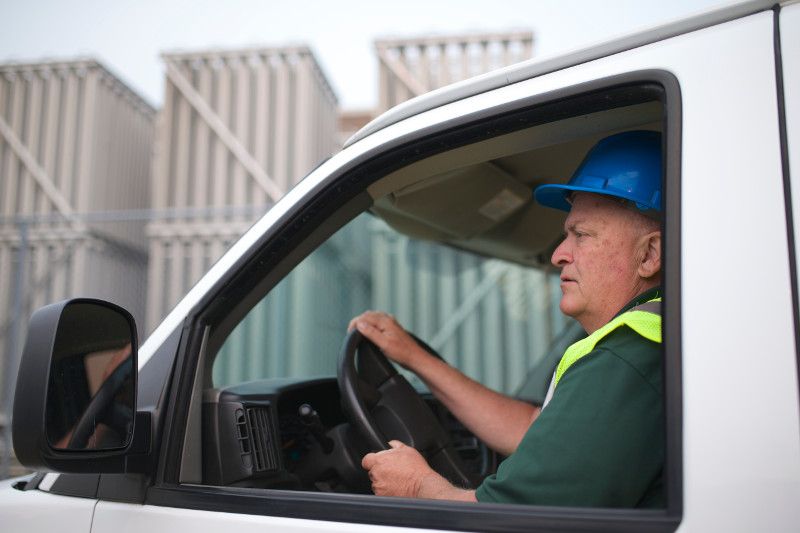
Transportation and Logistics
Explore solutions
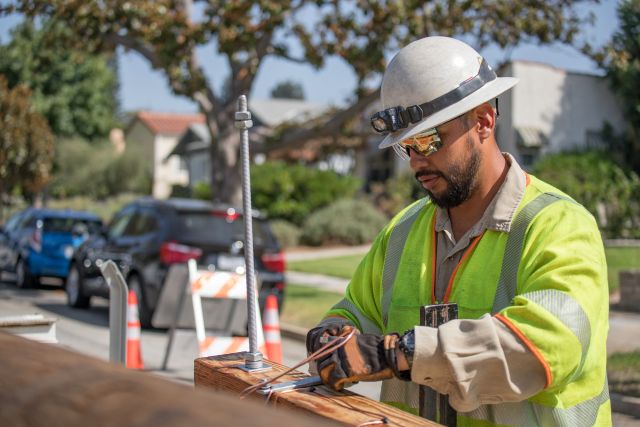
Utilities
Explore solutions
Government grant assistance
Explore the different grant assistance programs to help assist you during the grant application process.
Healthcare grants
Explore how healthcare grants can ensure continued healthcare for your community.
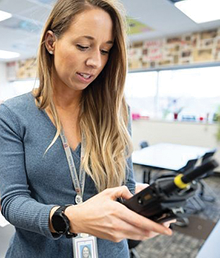
Education grants
Learn how education grants can help keep your school and community safer.
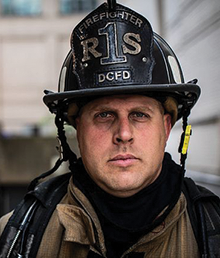
Fire & EMS grants
Stay on top of technology changes by securing fire and EMS grant funding.

Law Enforcement grants
Keep your community and officers safer with grant funding for law enforcement.

Transportation grants
Explore how transportation and port security grants can help keep your businesses productive.
Additional resources

Safety and security ecosystem
Discover how our technology ecosystem connects those in need with those who can help.
Learn more
Customer success stories
Discover how customers are tapping into our technology ecosystem to stay safer.
Learn more

