July 30, 2026
Finding clarity in a crisis: How Motorola Solutions' Assist helps real-time operators make better, faster decisions
- Assist AI addresses the "swivel-chair" problem by unifying scattered emergency data from command center, vehicle and drone intelligence systems into a single, real-time workflow.
- Assist transcribes 911 and radio calls, translates live audio, summarizes unfolding events and cross-references historical databases to provide critical context.
- Real-time operators can organize their activities into measurable ‘missions’ within the digital workspace, seamlessly logging, analyzing and measuring every investigative action.
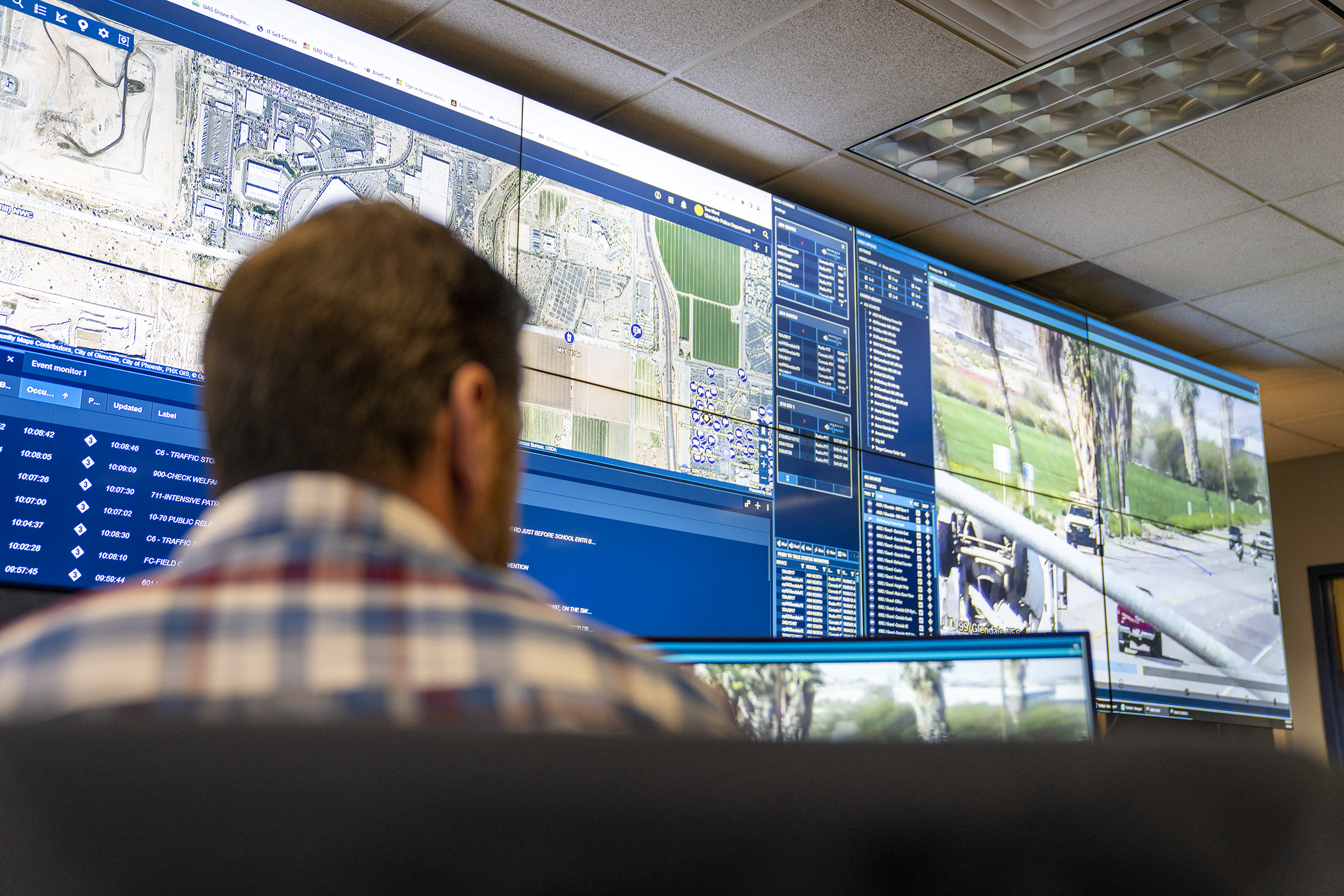
Real-time operators are at the heart of emergency response. Yet, they face several critical operational bottlenecks.
Managing a single incident forces them to jump an average of 10 times across seven or more platforms – manually stitching together 911 logs, license plate data and video feeds. This relentless screen-toggling creates cognitive overload and delays response times. It also leaves 50% of responding officers with initial incident details that don't match those they encounter at the scene.
Furthermore, the siloed nature of intelligence systems has resulted in manual and incomplete notes, making important post-response analysis difficult.
Solving these friction points is why public safety agencies now rank AI tools as their number one technology priority – and why Assist was built to alleviate them.
Bringing Assist to real-time operators
Motorola Solutions is bringing Assist, its mission-critical AI, directly into the software that real-time operators rely on every day. The solution is native to CommandCentral Aware command center software, VehicleManager license plate reader software, and drone and drone detection systems, working across them to connect incoming data feeds in real time.
Todd Piett, corporate vice president, Command Center Technologies at Motorola Solutions said:
"Real-time operators sit at the center of the public safety workflow, bridging the gap between 911 call takers and field responders. As intelligence flows in, Assist gives operators the clarity they need to rapidly evaluate the situation and decide the best course of action – whether that’s equipping officers with life-saving context enroute to an incident, informing the response as it unfolds or resolving the issue before a dispatch is even necessary."
Unify. Focus. Act.
Inside the real-time operations center (RTOC), Assist acts as a force multiplier during fast-moving emergencies, leveraging the following features that help unify data, direct focus to what matters most and inform swift actions:
- Call Intake Assist: Transforms incoming 911 audio into a live, easily digestible transcript – with automatic translation and highlighted keywords – and delivers them directly to operators in the RTOC so they can follow along in real-time as incidents develop.
- Response Assist: Transcribes and annotates field radio traffic as incidents develop, automatically prompting operators with suggested next steps like pulling up a specific camera feed or launching a drone.
- Search Assist: Accelerates vehicle searches using plain-language queries, allowing operators to search by model and color; distinct details such as bumper stickers or body damage; or location context like "near a park" or "on a highway.”
- Missions: Makes real-time intelligence work quantifiable for supervisors by creating a unified workflow for real-time operators to manage, log, communicate and analyze their public safety and intelligence impact.
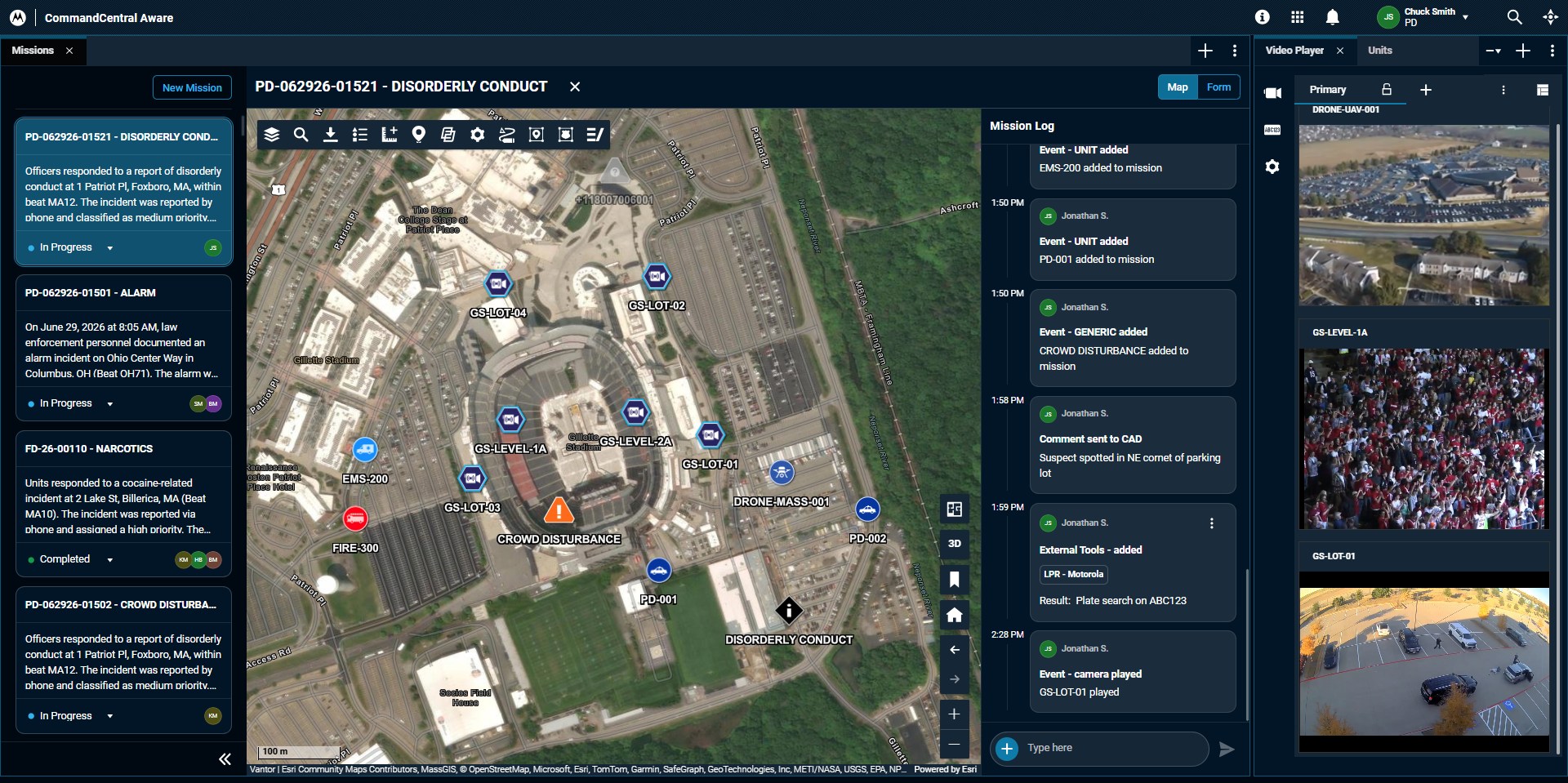
In automating these tasks, Assist helps deliver fast, accurate context and insights to real-time operators, agency supervisors and field officers en route. This shared information helps teams make smarter decisions in the moment and gather the evidence needed to resolve cases faster.
Sergeant Jonathan Clubb of the Glendale Police Department’s RTCC said:
"During an emergency, our real-time crime center personnel are tasked with identifying critical pieces of information and evidence within a flood of incoming data. By implementing Assist into our workflow, we can highlight key data automatically which allows for increased efficiency and effectiveness in the critical minutes that follow."
Assist offers tailored AI support from start to finish
Beyond the operator role within RTOCs, Assist is specifically tailored to support public safety personnel in a variety of roles:
- For 911 call handlers and dispatchers: Speeds up call intake and initial resource coordination.
- For first responders: Enhances officer safety with better situational awareness and cuts down on time spent writing reports.
With Assist, public safety agencies can drop the extra screens, make confident decisions faster and protect their communities more effectively.
Learn more
Visit our website to learn more about Assist for real-time operators, or contact our sales team to request a live demonstration.
Contact media@motorolasolutions.com with questions.